
When a marriage ends in India, one of the most common questions women ask is: Does a wife have rights to her husband's salary? The answer isn’t simple, but it’s not a no either. Indian law doesn’t treat salary as joint property during marriage, but it does give wives strong legal claims to financial support - both during and after divorce. This isn’t about claiming half the paycheck while married. It’s about fairness, survival, and recognizing that marriage is an economic partnership.
Salary isn’t joint property - but maintenance is
Under Indian law, income earned by either spouse during marriage is considered separate property. That means your husband’s salary doesn’t automatically become yours. He can save it, invest it, or spend it without your permission. But that doesn’t mean you have no claim to it.
When divorce happens, the courts step in to ensure neither spouse is left destitute. The Hindu Marriage Act, 1955, the Special Marriage Act, 1954, and other personal laws all allow a wife to claim maintenance - also called alimony or spousal support. This isn’t a share of his salary. It’s a monthly payment meant to cover basic living costs: food, rent, medicine, education.
For example, if your husband earns ₹80,000 a month and you’ve been a homemaker for 12 years, the court won’t give you ₹40,000. But it might order him to pay ₹25,000-₹30,000 per month, depending on your needs and his ability to pay. Courts look at lifestyle, duration of marriage, age, health, and whether you gave up your own career for the family.
How courts decide maintenance amounts
There’s no fixed formula, but Indian courts follow patterns based on decades of rulings. The Supreme Court of India, in Vijay Kumar v. Smt. Sunita (2021), said maintenance should be 20-30% of the husband’s net income - but only if the wife has no independent income. If she earns even a small salary, the amount drops.
Here’s what judges actually look at:
- How long were you married? (10+ years = higher claim)
- Did you sacrifice your career to raise children or care for elders?
- What’s your current income? Even ₹5,000/month reduces his obligation.
- What’s his actual take-home pay? (Not just gross salary - deductions matter)
- Do you have children? Child support is separate and usually higher than maintenance.
One real case from Mumbai involved a woman who stayed home for 18 years to care for her husband’s aging parents. After divorce, the court ordered ₹35,000/month in maintenance, even though her husband claimed he had debt. The judge said: "You cannot benefit from her labor and then leave her with nothing."
Can you claim part of his salary during the marriage?
Yes - but only under specific circumstances. If your husband is refusing to provide for basic household needs - food, rent, medical bills - you can file for interim maintenance under Section 24 of the Hindu Marriage Act. This is a temporary order, issued while divorce proceedings are ongoing.
It’s not about controlling his salary. It’s about survival. Courts have ordered husbands to pay ₹15,000-₹50,000/month during litigation, even if the final divorce settlement is lower. In Delhi, a 2023 case saw a woman get ₹40,000/month interim maintenance because her husband stopped paying rent and refused to let her use the family car for medical appointments.
Pro tip: Keep receipts. If you paid for groceries, medicine, or school fees out of your own savings, save those bills. They prove you’ve been financially strained.
What about post-divorce maintenance?
After the divorce is final, maintenance can continue indefinitely - or until you remarry or die. Courts rarely cut it off just because you turn 60 or get a part-time job. If your health declines or your child needs special education, you can ask for a raise in maintenance.
Some men think: "I paid her once, I’m done." But Indian law doesn’t work that way. Maintenance is ongoing. The Delhi High Court, in Reema v. Rajesh (2024), ruled that even if a wife inherits property, it doesn’t automatically cancel maintenance unless she’s financially secure.
Here’s the catch: If you start earning a good salary after divorce - say, ₹70,000/month - the court may reduce or end maintenance. But if you’re working as a clerk earning ₹25,000, and your ex earns ₹1.2 lakh, you’ll still qualify for support.

What if he hides his income?
This is the biggest problem. Many husbands claim they earn ₹30,000/month when they actually make ₹1.5 lakh. They pay in cash, hide bank accounts, or put assets in relatives’ names.
Courts have tools to find the truth:
- Bank statements from the last 3 years
- Income tax returns
- Mobile and credit card spending patterns
- Property registrations in family members’ names
- Company shareholdings or directorships
In a 2022 case in Pune, a husband claimed he earned ₹25,000/month. The court checked his credit card bills - they showed ₹1.8 lakh/month in spending on luxury travel, dining, and electronics. He was ordered to pay ₹50,000/month in maintenance.
If you suspect hidden income, hire a forensic accountant. It’s expensive, but courts often order the husband to pay your legal costs if he’s found to be hiding assets.
What about working wives?
Even if you earn a salary, you still have rights. The law doesn’t punish women for being employed. In fact, the Supreme Court said in Manish Jain v. Akanksha (2020): "A working wife is not barred from maintenance merely because she has income. The question is whether her income is sufficient to maintain her standard of living."
Example: You earn ₹40,000/month. Your husband earns ₹1.5 lakh. You live in Mumbai, pay ₹25,000 in rent, and your child’s school fees are ₹15,000/month. You’re barely breaking even. The court will likely order ₹15,000-₹20,000/month in maintenance to cover your deficits.
Don’t assume your job means you get nothing. Courts look at net expenses, not just gross income.
Can you claim his salary after he dies?
No - not directly. But if he left a will that excludes you, you can challenge it. Under the Indian Succession Act, a wife is a Class I legal heir. Even if he didn’t name you in his will, you’re entitled to 1/3 of his estate if he had no children. If he had children, you get 1/3 of the estate, and they split the rest.
If he died without a will (intestate), you inherit equally with his children and parents. That includes his salary deposits, savings, property, and even his provident fund.
So while you can’t claim his future salary after death, you can claim what he left behind.
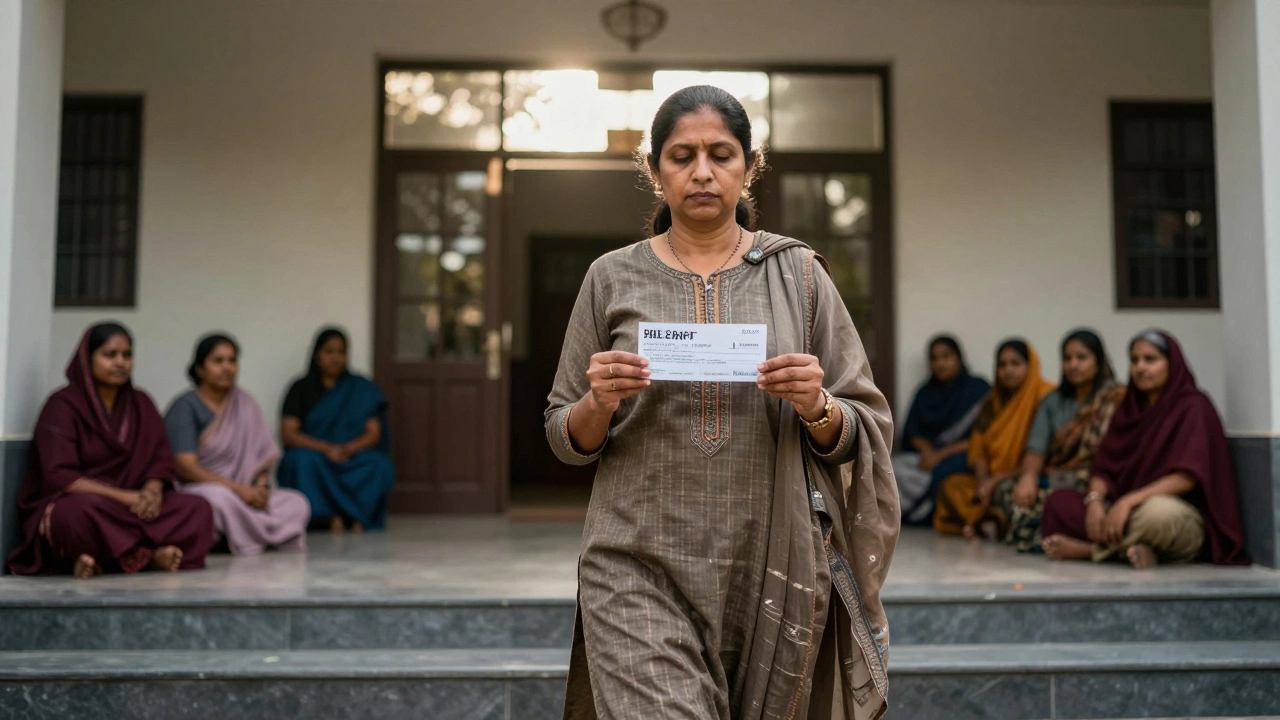
What if he refuses to pay?
Non-payment of court-ordered maintenance is a criminal offense in India. Under Section 125 of the CrPC, you can file a complaint. The court can:
- Issue a warrant for his arrest
- Attach his salary (garnish up to 50%)
- Seize his bank accounts or property
- Impose jail time for up to one month per default
In 2023, the Madras High Court jailed a businessman for 11 months for failing to pay ₹28,000/month in maintenance for 14 months. He claimed he was broke. The court found ₹7 lakh in his offshore account.
Don’t wait. If he misses two payments, file for enforcement. The system works - if you push it.
How to protect your rights before divorce
You don’t need to wait for a breakup to act. Here’s what to do now:
- Keep copies of all bank statements, salary slips, and property documents.
- Save receipts for household expenses you paid.
- Document any verbal promises about money - even texts or emails.
- Open a separate bank account in your name.
- Consult a divorce lawyer before filing for separation - not after.
Many women lose out because they wait until they’re emotionally broken. The legal window for claiming maintenance opens the moment you leave or file for divorce. Don’t delay.
Final reality check
Yes, your husband’s salary belongs to him. But the law recognizes that marriage isn’t just love - it’s labor, sacrifice, and shared risk. If you gave up your career, raised his children, managed his home, or supported his career, you’re entitled to financial security.
This isn’t about greed. It’s about justice. And Indian courts, despite delays and bureaucracy, have repeatedly ruled in favor of women in these cases. You have rights. You just need to know them - and use them.
Can a wife claim her husband’s salary during marriage in India?
No, a wife cannot legally claim direct ownership of her husband’s salary during marriage. However, if he refuses to provide for basic household needs, she can apply for interim maintenance under Section 24 of the Hindu Marriage Act. This is a court-ordered monthly payment for food, rent, and medical expenses, not a share of his income.
How much maintenance can a wife get after divorce in India?
There’s no fixed amount, but courts typically award 20-30% of the husband’s net monthly income if the wife has no income. If she earns a small salary, the amount is reduced based on her needs and his ability to pay. The Supreme Court considers lifestyle, duration of marriage, and health when deciding.
What if my husband hides his income?
Courts can investigate hidden income using bank statements, credit card records, tax returns, and property records. If proven, the court can increase maintenance and order him to pay your legal costs. In some cases, courts have jailed men for hiding assets.
Does a working wife still get maintenance?
Yes. The Supreme Court has ruled that a working wife is not automatically denied maintenance. The key question is whether her income is enough to maintain her standard of living. If she’s underpaid or has high expenses, she can still claim support.
Can I claim my husband’s salary after he dies?
No, you cannot claim his future salary after death. But you are a legal heir under the Indian Succession Act. If he died without a will, you inherit 1/3 of his estate along with his children. If he had no children, you inherit half. This includes savings, property, and provident fund.
What happens if my husband refuses to pay maintenance?
Refusing to pay court-ordered maintenance is a criminal offense under Section 125 of the CrPC. You can file a complaint, and the court can garnish his salary, freeze his bank accounts, seize property, or even jail him for up to one month per default. Enforcement is possible - but you must act.