
Criminal Defense Action Plan Generator
Select the details below to receive a prioritized checklist tailored to your situation.
Immediate Threat
Arrest warrant issued or police summons received.Under Investigation
FIR filed, but not yet arrested.Trial Phase
Case already in court, looking for new counsel.White Collar / Financial
Fraud, PMLA, Cheque Bounce, Tax evasion.Non-Bailable Offense
IPC/BNS sections involving violence or serious harm.Cyber / IT Crime
Hacking, Data theft, Online fraud.Walking into a police station or receiving a summons from the court changes everything. In that moment, you don't just need a lawyer; you need a shield. The question "who is the best criminal lawyer in India?" isn't about finding a celebrity with a shiny office in South Delhi or Bandra. It is about finding someone who knows the procedural loopholes of the Code of Criminal Procedure (CrPC), understands the local magistrate's tendencies, and can negotiate bail before your reputation hits rock bottom.
India does not have a single "best" lawyer because the justice system is fragmented across states and high courts. A senior advocate who dominates the Supreme Court in New Delhi might be completely unknown-and ineffective-in a district court in Kerala. This guide cuts through the noise. We will look at how to identify top-tier talent, where to find them, and what specific skills matter more than fame when your freedom is on the line.
Why "The Best" Is a Relative Term in Indian Criminal Law
The Indian legal landscape is vast. When people ask for the best criminal lawyer, they often imagine a one-size-fits-all solution. That doesn't exist. Criminal law in India is governed by federal statutes like the Indian Penal Code (IPC) and the recently updated Bharatiya Nyaya Sanhita (BNS), but enforcement is local. The culture of a court in Kolkata differs significantly from one in Chennai.
You need to define "best" based on your specific case type. Are you dealing with white-collar fraud, a violent charge, cybercrime, or a complex corporate investigation? Each area requires a different skill set. A lawyer who specializes in defending politicians in defamation cases may lack the forensic accounting knowledge needed for a money laundering charge under the Prevention of Money Laundering Act (PMLA). Matching the specialist to the statute is step one.
Key Qualities of Top-Tier Criminal Defense Attorneys
Fame gets headlines; competence gets acquittals. When evaluating potential counsel, look beyond their LinkedIn profile or news clippings. Here are the non-negotiable traits of effective criminal lawyers in India:
- Procedural Mastery: They know the timeline inside out. They file anticipatory bail applications before the arrest warrant is even executed. They understand the nuances of Section 438 CrPC (or its successor provisions) better than the prosecutor.
- Negotiation Skills: Many criminal cases in India end in compounding or plea bargains, not full trials. A great lawyer knows when to fight and when to settle to minimize jail time and stigma.
- Local Court Presence: They appear regularly in the specific court handling your case. Judges notice consistency. A lawyer who is familiar with the registry staff and the judge’s preferences can expedite hearings significantly.
- Transparency on Fees: Top lawyers provide clear fee structures. Be wary of those who promise outcomes. No ethical lawyer can guarantee an acquittal, as judges are independent. Promises of certainty are red flags.
Identifying Elite Talent: Senior Advocates vs. Litigators
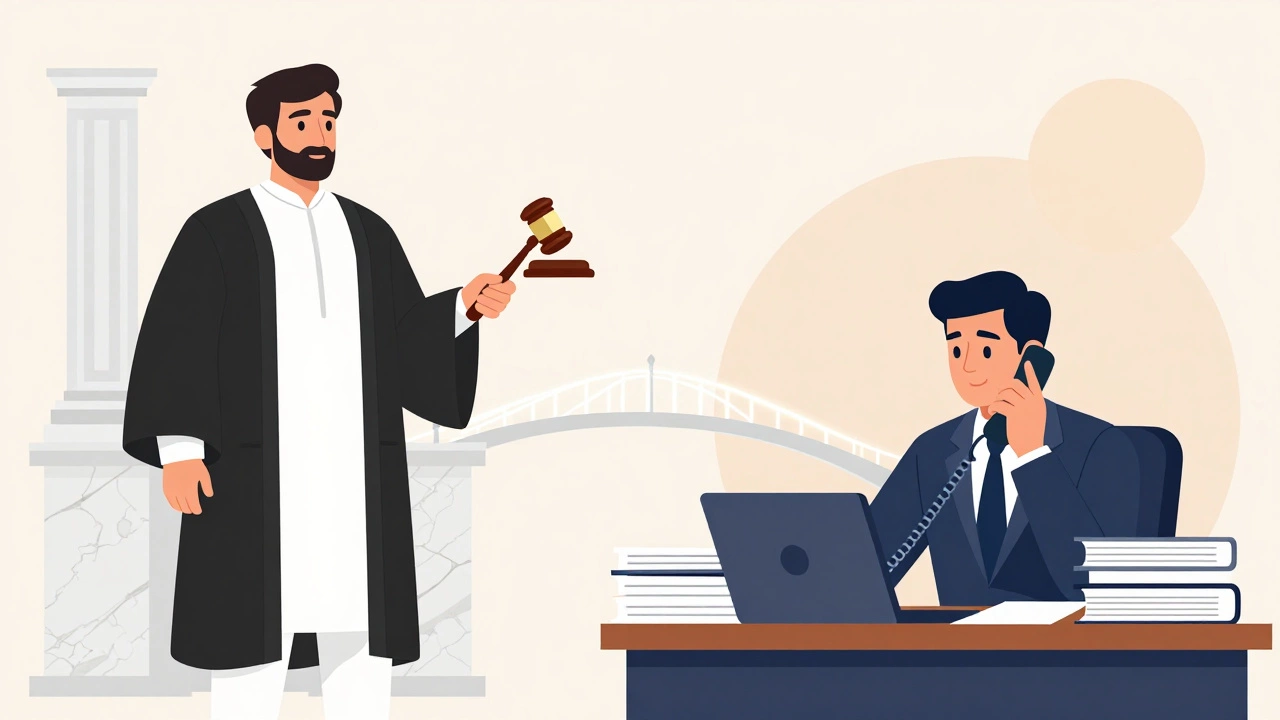
In India, the title of Senior Advocate carries weight. Designated by High Courts or the Supreme Court, these lawyers are recognized for their special knowledge and ability. However, hiring a Senior Advocate comes with a caveat: they generally do not handle routine filings or direct client interaction in lower courts. They argue major points of law before higher benches.
For most individuals, the ideal team consists of two parts:
- A Senior Advocate: To handle complex appeals, constitutional questions, or high-stakes strategy in the High Court or Supreme Court.
- A Dedicated Litigator: To manage day-to-day proceedings, file paperwork, interact with police, and keep you updated. This person is your primary point of contact.
If you only hire a famous Senior Advocate without a strong junior litigator, your case may stall due to administrative delays. If you only hire a junior without strategic oversight, you may miss critical appellate windows.
Where to Find Reputable Criminal Lawyers in Major Cities
While there is no official "rankings" list, certain firms and individual practitioners are consistently cited for their expertise in major metros. Here is a breakdown by region:
| City / Region | Notable Firms / Practices | Specialty Focus |
|---|---|---|
| Delhi NCR | Solicitor General’s chambers, Top SC Advocates | High-profile political cases, Central Bureau of Investigation (CBI) matters |
| Mumbai | Bombay High Court Senior Advocates | White-collar crime, financial fraud, narcotics |
| Bangalore | Tech-focused litigation firms | Cybercrime, IT Act violations, startup disputes |
| Kolkata | Calcutta High Court veterans | Traditional criminal defense, drug offenses |
In Delhi, many top lawyers operate out of chambers near Tis Hazari Courts or the Supreme Court. In Mumbai, the focus is often on the Bombay High Court and sessions courts in Andheri and Dadar. For cybercrimes, Bangalore has emerged as a hub with lawyers who understand digital forensics and data privacy laws.
How to Vet a Criminal Lawyer Before Hiring
Don’t rely on Google Ads. Use this checklist to verify credibility:
- Check Bar Council Registration: Every lawyer must be registered with the State Bar Council. You can verify their status online. An unregistered practitioner cannot legally represent you in court.
- Review Past Judgments: Ask for anonymized summaries of similar cases they have handled. Look for outcomes like bail granted, charges dropped, or acquittals.
- Ask About Availability: Criminal cases move fast. If a lawyer is too busy to return calls within 24 hours, they may not give your case the attention it needs during critical phases like investigation or trial.
- Consult Multiple Candidates: Meet at least three lawyers. Compare their strategies. One might suggest fighting aggressively; another might recommend a plea bargain. Their approach should align with your goals.

Costs and Fee Structures in India
Legal fees vary wildly. A routine bail hearing might cost ₹10,000-₹50,000. Complex cases involving multiple accused or high-value assets can run into lakhs or even crores over several years.
Understand the billing model:
- Fixed Retainer: A lump sum for a specific phase (e.g., investigation stage).
- Per Hearing Fee: Charged for each court appearance.
- Success Fee: Rare in criminal defense due to ethical guidelines, but sometimes discussed in civil-criminal hybrid cases.
Always get a written agreement detailing what is included. Hidden costs for filing fees, expert witnesses, or travel can add up quickly.
Common Mistakes to Avoid When Seeking Legal Help
Panic leads to poor decisions. Avoid these pitfalls:
- Waiting Too Long: Once arrested, the first 24-48 hours are critical. Police statements recorded during this period heavily influence the prosecution’s case. Get a lawyer immediately.
- Choosing Based on Price Alone: Cheap lawyers may cut corners, miss filing deadlines, or fail to challenge illegal evidence. This can cost you far more in lost time and liberty.
- Ignoring Local Connections: A national brand may not have a foot soldier in your local district court. Ensure your lawyer has active practice in the jurisdiction where the case is filed.
Next Steps if You Are Facing Charges
If you or a loved one is implicated in a criminal matter, act swiftly:
- Do Not Speak to Police Without Counsel: Exercise your right to remain silent until your lawyer is present.
- Gather Documents: Collect all notices, FIR copies, and communication records.
- Shortlist Three Lawyers: Use referrals from trusted sources, bar council directories, or reputable legal platforms.
- Schedule Emergency Consultations: Most top lawyers offer urgent slots for crisis situations.
Finding the best criminal lawyer is not about finding the most famous name. It is about finding the most prepared, accessible, and strategically sound advocate for your specific situation. In the Indian legal system, preparation and procedure win cases-not just rhetoric.
How do I find a verified criminal lawyer in my city?
Start by checking the website of your State Bar Council. They maintain a public directory of all registered advocates. You can filter by specialization. Additionally, ask for referrals from other professionals like chartered accountants or civil lawyers who may have worked with criminal specialists. Avoid relying solely on social media ads.
What is the difference between a Senior Advocate and a regular lawyer?
A Senior Advocate is designated by a High Court or the Supreme Court based on exceptional skill and integrity. They typically do not file routine documents or meet clients directly. Instead, they argue complex legal points before higher courts. Regular litigators handle daily court appearances, paperwork, and client communication. Most serious cases benefit from a combination of both.
Can a criminal lawyer guarantee an acquittal?
No ethical lawyer can guarantee an outcome. The judiciary is independent, and judgments depend on evidence, procedure, and judicial discretion. Any lawyer promising a guaranteed result is likely misleading you. Focus instead on their track record, strategy, and transparency about risks.
How much does a top criminal lawyer charge in India?
Fees vary widely. Simple bail matters may cost ₹10,000 to ₹50,000. Complex cases involving CBI, ED, or long trials can range from ₹5 lakh to several crores over multiple years. Always request a detailed fee structure upfront. Understand whether fees are per hearing, per stage, or retainer-based.
Should I hire a lawyer from outside my state for a criminal case?
Generally, no. Criminal cases are heard in local district courts or sessions courts. A lawyer unfamiliar with local procedures, judges, and police dynamics may struggle. It is better to hire a lawyer who practices regularly in your jurisdiction. If the case moves to a High Court or Supreme Court, you can then engage a senior specialist from elsewhere.