Prosecution Difficulty Estimator
Select the characteristics of a hypothetical case to see how difficult it would be to prosecute in the current legal landscape.
Analysis Result
Detailed analysis will appear here.
Select options and click calculate to analyze prosecution challenges.
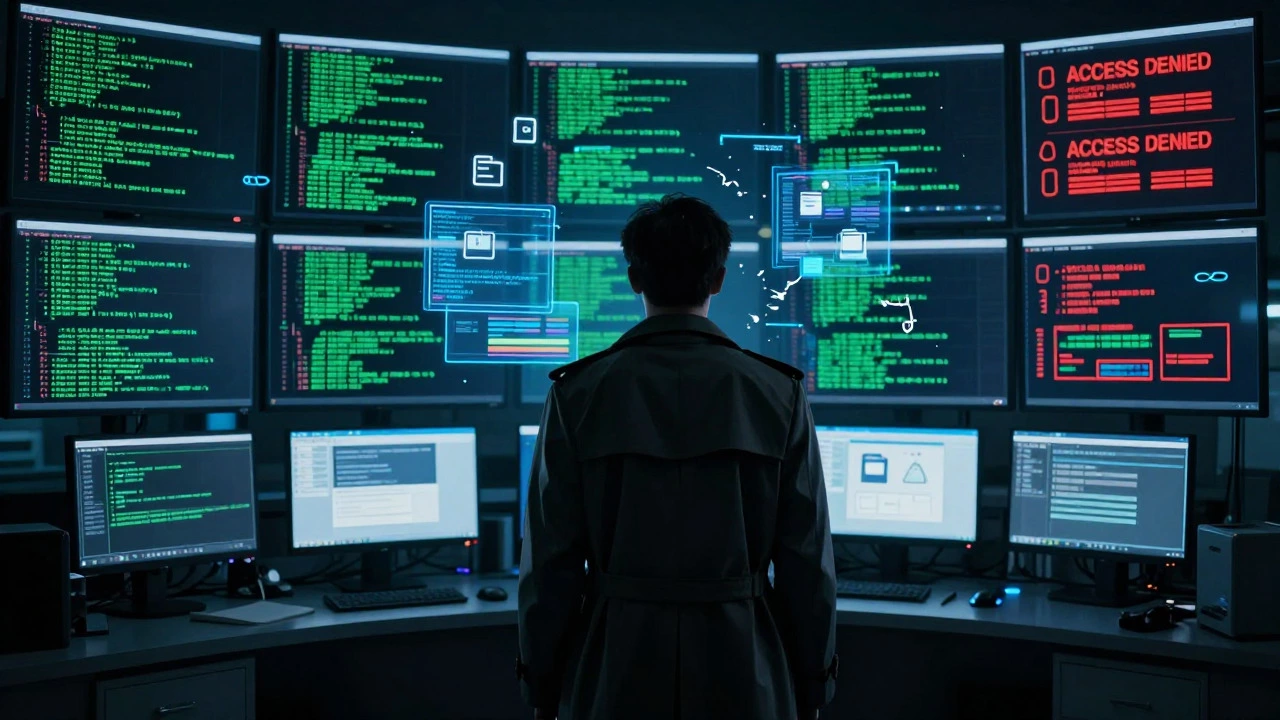
Imagine a detective walking into a room where every suspect wears a mask, every fingerprint is smudged, and the only witness is a server log that could have been edited by anyone. This isn't a scene from a spy thriller; it is the daily reality for prosecutors tackling cybercrime, specifically complex digital offenses involving anonymity, cross-border data, and encrypted communications. While murder or robbery has physical evidence and identifiable victims, certain crimes slip through the legal net with alarming ease.
When people ask what the most difficult crime to prosecute is, the answer often depends on whether you look at traditional street crime or the modern digital landscape. Historically, white-collar crime, particularly corporate fraud and embezzlement, held this title due to the sheer volume of paperwork and the resources defendants could throw at a case. However, in 2026, the crown has shifted. The most difficult crimes to prosecute are now those rooted in decentralized technology and anonymous digital networks.
The Ephemeral Nature of Digital Evidence
The core reason cybercrimes are so hard to pin down is that the evidence itself is fragile. In a traditional burglary, a broken window stays broken until repaired. In a data breach, the unauthorized access to sensitive information, the "broken window" is a line of code or a temporary session token. It can be deleted, overwritten, or encrypted within milliseconds.
Prosecutors face a unique hurdle: chain of custody, the legal documentation proving evidence was not tampered with. For digital files, maintaining this chain is notoriously difficult. If a suspect uses end-to-end encryption, like secure messaging apps that prevent third-party access, even police warrants may yield nothing but gibberish text. Without decryption keys, which suspects rarely hand over voluntarily, the prosecution has no case. This creates a situation where guilt is obvious to the public, but legally unprovable in court.
The Jurisdictional Maze
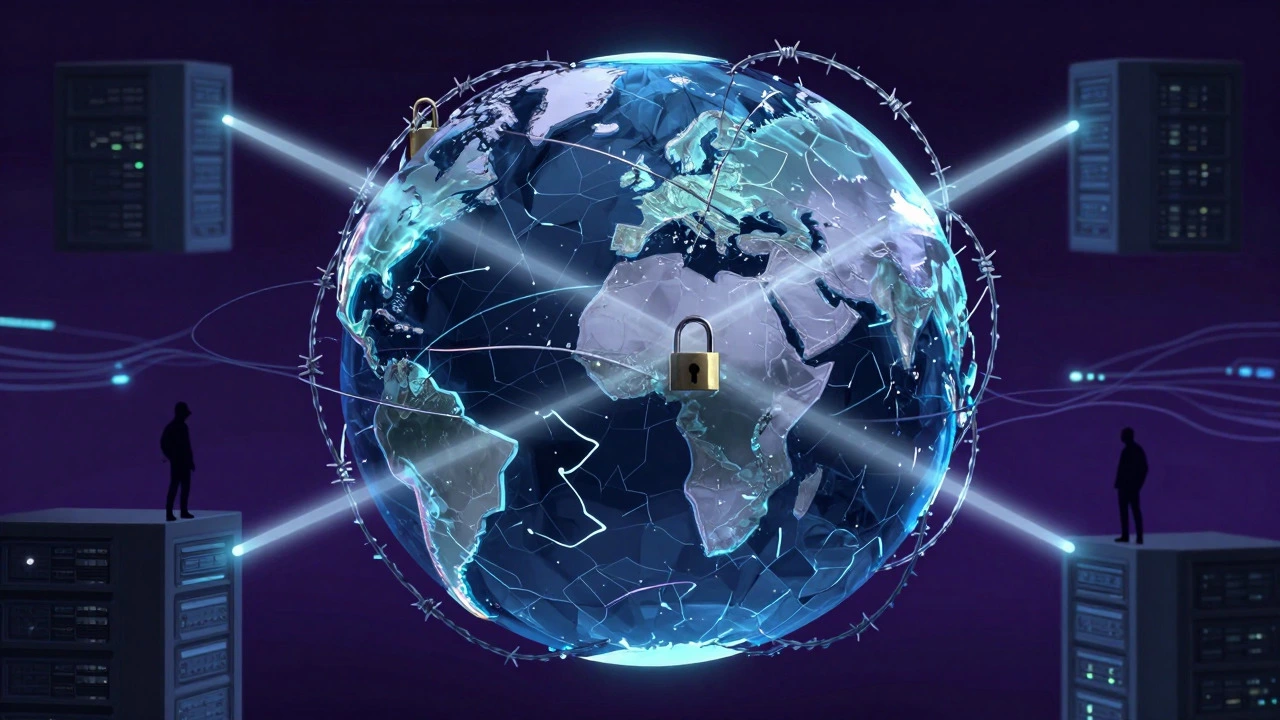
Laws are territorial. They stop at borders. Criminals, however, do not recognize borders. This mismatch creates the single biggest obstacle in prosecuting modern crimes. Consider a scenario where a hacker based in Country A attacks a bank in Country B, using servers hosted in Country C, while laundering money through cryptocurrencies regulated (or ignored) in Country D.
To secure a conviction, prosecutors must navigate international extradition treaties, complex agreements between nations to surrender fugitives. These treaties are slow, expensive, and often politically charged. Many countries have weak cyber laws or simply lack the technical expertise to assist foreign investigations. By the time diplomatic channels align, the suspect may have moved again, or the digital evidence may have degraded. This jurisdictional fragmentation allows criminals to operate with near impunity, knowing that catching them requires a multinational effort that few governments are willing to sustain.
Anonymity and Pseudonymity
In the physical world, your identity is tied to your face, your voice, and your biometrics. Online, identity is fluid. The rise of Virtual Private Networks (VPNs) and tools that hide IP addresses, combined with Tor network, an anonymizing overlay network for internet traffic, means that tracking a user back to a specific person is incredibly difficult.
Criminals use burner devices and disposable smartphones or laptops, purchased with cash, leaving no paper trail. Even when they are caught, they often claim someone else used their device. Proving mens rea, the guilty mind or intent required for criminal liability, becomes a guessing game. Did the defendant commit the crime, or were they just negligent in securing their account? Without direct evidence linking the human to the action, juries are hesitant to convict.
White-Collar Crime: The Paperwork Shield
While cybercrime poses technical hurdles, financial fraud remains the deceptive practice of gaining money illegally. notoriously difficult to prosecute for different reasons. These crimes are not hidden in dark web forums; they are buried in thousands of pages of legitimate-looking documents.
Defendants in these cases are rarely poor. They hire teams of elite lawyers who specialize in finding procedural errors. They delay trials for years, hoping statutes of limitations will expire or witnesses will forget details. The complexity of modern financial instruments, such as derivatives and complex financial contracts, makes it hard for a jury to understand how the fraud occurred. If the jury doesn't understand the mechanism of the crime, they are less likely to return a guilty verdict. This "complexity shield" protects many high-level offenders, making white-collar crime one of the hardest categories to resolve successfully.
The Role of Cryptocurrency in Evading Justice
Cryptocurrency, particularly decentralized digital currencies like Bitcoin and Monero, has revolutionized both finance and crime. For prosecutors, it is a double-edged sword. On one hand, blockchain transactions are public and permanent. On the other hand, they are pseudonymous. You can see the transaction, but not necessarily who initiated it.
Criminals use mixers and services that obscure the origin of cryptocurrency funds, to launder money. They move assets across dozens of wallets in seconds, a process known as churning, the rapid movement of funds to confuse trackers. Tracing these funds requires specialized forensic software and significant manpower. Even if the money is traced, seizing it is difficult if it is stored on cold wallets (offline storage) located in jurisdictions with no cooperation agreements. The speed at which digital assets can be moved far outpaces the speed of legal warrants.

Comparison of Prosecution Challenges
| Crime Type | Primary Obstacle | Evidence Stability | Jurisdictional Complexity |
|---|---|---|---|
| Cybercrime | Anonymity & Encryption | Low (Easily altered/deleted) | Very High (Global) |
| White-Collar Fraud | Complexity & Resources | High (Paper trails exist) | Medium (Corporate structures) |
| Street Crime | Witness Reliability | Medium (Physical evidence) | Low (Local) |
| Drug Trafficking | Undercover Operations | Low (Perishable goods) | High (Cross-border routes) |
Why Conviction Rates Remain Low
It is not just about catching the criminal; it is about convincing a jury beyond a reasonable doubt. In cybercases, the "reasonable doubt" often stems from the possibility of mistaken identity. Because digital footprints can be spoofed, defense attorneys easily plant seeds of doubt. "How do you know it was my client and not a hacker who breached his laptop?" is a question prosecutors struggle to answer definitively without insider testimony, which is rare.
Furthermore, the pace of technology outstrips the pace of legislation. Courts often have to interpret old laws in new contexts. This legal ambiguity gives defense teams another avenue to challenge charges. If the law does not explicitly define a specific digital act as a crime, prosecutors may find themselves arguing semantics rather than facts.
The Future of Prosecuting Digital Crimes
As we move further into 2026, the gap between criminal capability and prosecutorial power is widening. Artificial intelligence is being used by criminals to generate deepfakes, automate phishing, and create sophisticated malware. Prosecutors are beginning to adopt AI tools to analyze large datasets, but the learning curve is steep.
International cooperation is slowly improving, with more nations signing mutual legal assistance treaties (MLATs). However, bureaucracy remains a bottleneck. Until legal frameworks adapt to the borderless nature of the internet, cybercrime will remain the most difficult category to prosecute effectively. The key lies not just in better technology, but in harmonizing global laws and investing in specialized digital forensics units that can keep up with the innovators of crime.
Is cybercrime harder to prove than murder?
In many ways, yes. Murder typically involves physical evidence like DNA or eyewitnesses. Cybercrime relies on digital logs that can be falsified, and suspects often operate anonymously across borders, making identification and evidence collection significantly more complex.
Why is white-collar crime difficult to prosecute?
White-collar crime involves complex financial records and sophisticated legal defenses. Defendants often have vast resources to delay proceedings, confuse juries with technical details, and exploit loopholes in regulations, making convictions harder to secure compared to straightforward violent crimes.
How does encryption affect criminal prosecutions?
Encryption prevents authorities from accessing crucial evidence stored on devices or in communications. Without decryption keys, even with a warrant, prosecutors cannot read messages or view files, creating a "black box" effect that hinders the ability to prove intent or guilt.
What role does jurisdiction play in cybercrime cases?
Jurisdiction is a major hurdle because cybercriminals often operate from countries with different laws or weak enforcement. Prosecutors must navigate international treaties and diplomatic processes to extradite suspects or obtain evidence, which can take years and often fail due to political or legal barriers.
Can cryptocurrency transactions be traced for prosecution?
Yes, but it is difficult. While blockchain transactions are public, they are pseudonymous. Criminals use mixers and multiple wallets to obscure the trail. Specialized forensic tools are needed to link addresses to real identities, and seizing funds often requires cooperation from exchanges or overseas authorities.