Voir Dire Challenge Simulator
How It Works
You are a lawyer in a civil trial. You will be presented with scenarios regarding potential jurors.
- Challenge for Cause: Use when there is proven bias or conflict (unlimited).
- Peremptory Challenge: Use when you have a gut feeling but no proof (limited).
- No Challenge: Keep the juror if they appear impartial.
Select the best legal strategy for each situation below.
Loading scenario...
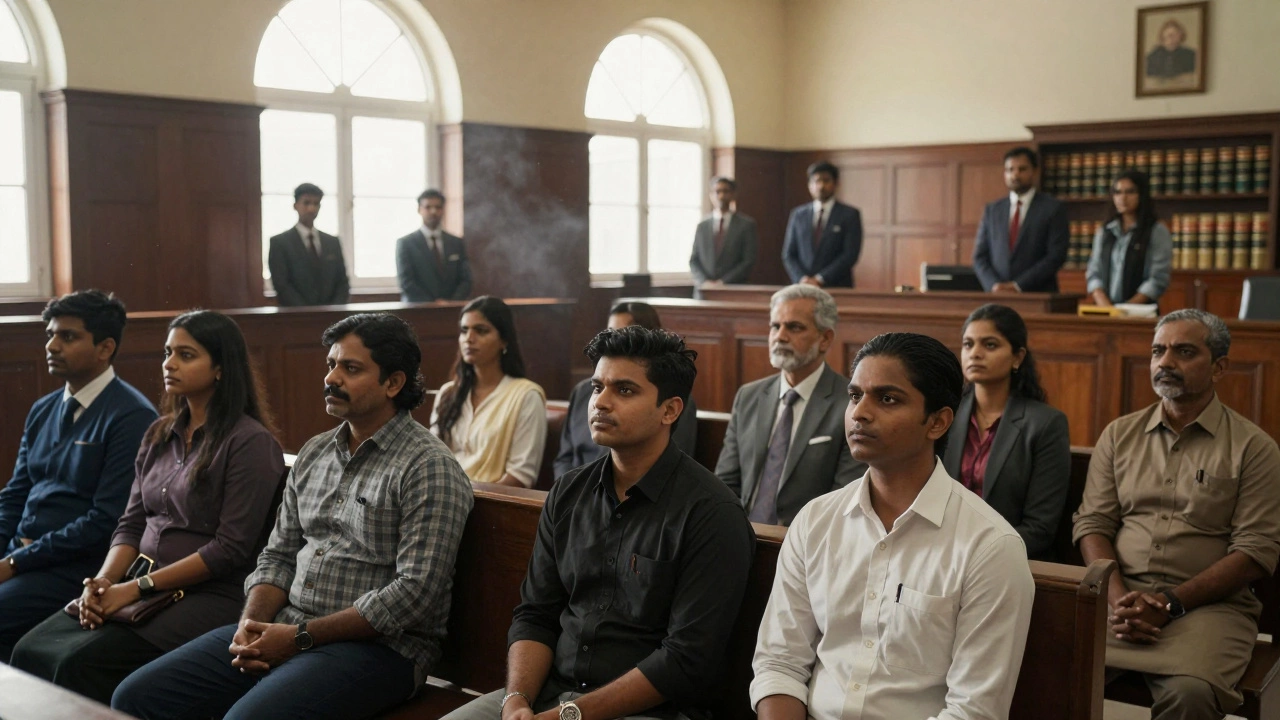
Imagine sitting in a courtroom. The judge has just finished explaining the rules of evidence, and now the lawyers start asking questions to potential jurors. You might hear the phrase voir dire is the process of questioning prospective jurors to determine their suitability for service on a particular jury. It sounds fancy, right? Like something out of a French novel or an old law school textbook. But it’s actually one of the most critical parts of any trial that involves a jury.
If you’re involved in a civil court case is a legal dispute between two or more parties where compensation or specific performance is sought, rather than criminal punishment, understanding this step can help you grasp why certain people are picked for your jury and others are sent home. This isn’t just about picking twelve random strangers; it’s about building a fair panel that can listen to facts without letting bias get in the way.
The Quick Summary: What Is Voir Dire?
- Voir dire comes from Old French, meaning "to speak the truth." In modern courts, it refers to the preliminary examination of witnesses or jurors by a judge or attorney.
- In jury selection, its goal is to uncover biases, conflicts of interest, or inability to remain impartial.
- Lawyers use two main methods to remove jurors they don’t want: challenges for cause (unlimited, based on specific reasons) and peremptory challenges (limited, no reason needed).
- This process applies to both criminal and civil cases, but the stakes and types of questions differ significantly.
Where Did the Term Come From?
The phrase "voir dire" literally translates from Norman French as "to see true" or "to speak the truth." It dates back to medieval England when judges would ask potential jurors if they knew anything about the case before being sworn in. Back then, juries were often made up of neighbors who already knew the facts because they lived in small communities. Today, we live in a world where anonymity is common, so the purpose has shifted from gathering information to ensuring fairness.
In New Zealand, Australia, Canada, and other Commonwealth countries, the term remains standard legal vocabulary. Even though our legal systems have evolved, the core idea stays the same: we need to verify that those deciding our fate-or settling our disputes-are truly neutral observers.
How Voir Dire Works in Jury Selection
When a case goes to trial with a jury, the court doesn’t just grab anyone off the street. They pull names from voter registration lists, driver’s license databases, or community rolls. These people show up at the courthouse, and then voir dire begins.
Here’s what typically happens:
- Potential jurors gather in the courtroom or a separate room.
- The judge gives instructions about the nature of the case and the responsibilities of serving on a jury.
- Attorneys ask questions designed to reveal attitudes, experiences, or beliefs that could affect impartiality.
- Jurors answer honestly, knowing that lying under oath is perjury-a serious crime.
- Lawyers strike jurors using either challenges for cause or peremptory strikes.
- The final panel sits down to hear the actual trial.
This entire process can take anywhere from thirty minutes to several days, depending on the complexity of the case and how many jurors need to be seated.
Types of Challenges During Voir Dire
Not every juror will make it onto the final panel. Lawyers have tools to remove individuals they believe won’t serve fairly. Understanding these tools helps explain why some people leave early while others stay until verdict time.
| Challenge Type | Reason Required? | Limitations | Example Scenario |
|---|---|---|---|
| Challenge for Cause | Yes - must prove bias or conflict | No limit | A juror admits they’re related to the plaintiff. |
| Peremptory Challenge | No - lawyer decides alone | Limited number per side | A lawyer feels a juror seems distracted during questioning. |
Challenges for cause require concrete justification. If a juror says they lost a loved one in a car accident similar to yours, and you’re suing a driver for negligence, that person likely cannot be fair. Judges usually grant these requests automatically.
Peremptory challenges give lawyers more freedom-but not total freedom. Courts prohibit removing jurors based solely on race, gender, religion, or ethnicity. That rule exists to prevent discrimination disguised as strategy. Still, attorneys often rely on gut feelings, body language, or subtle cues during voir dire to decide whom to keep.
Voir Dire in Civil vs Criminal Cases
You might wonder whether voir dire works differently in civil versus criminal trials. The mechanics are similar, but the focus shifts depending on what’s at stake.
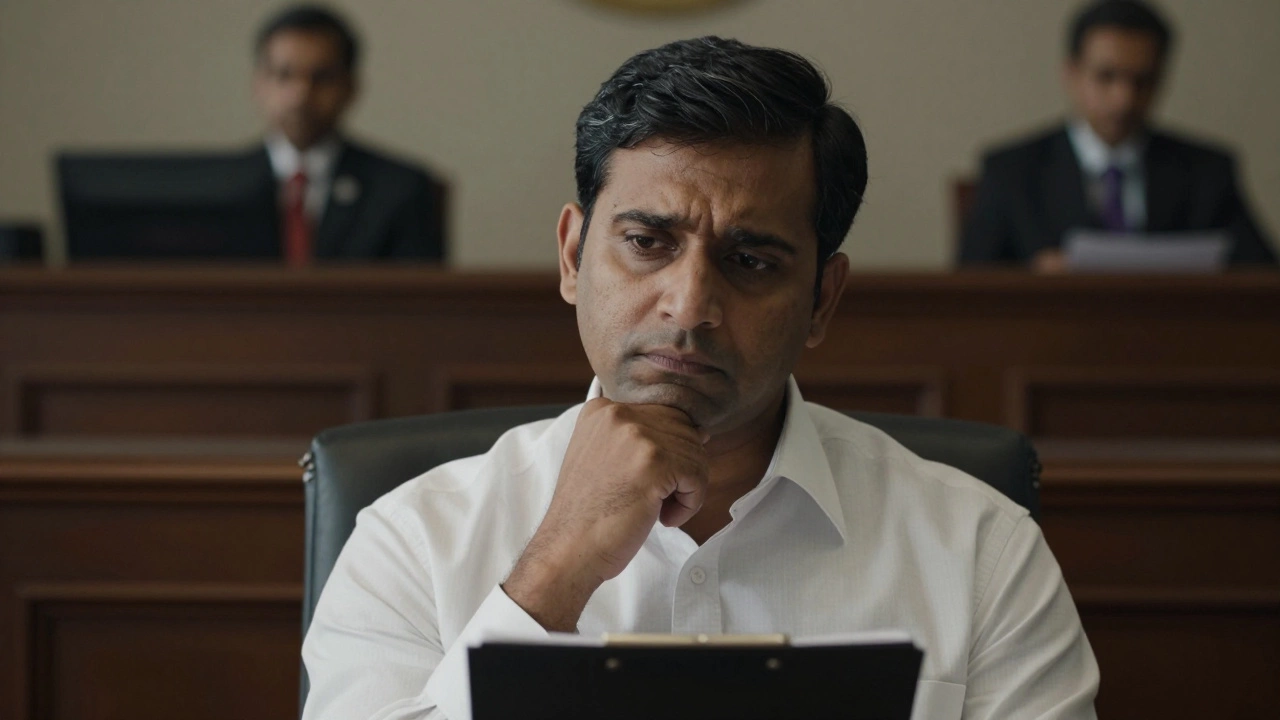
In criminal cases, prosecutors and defense attorneys dig deep into political views, media consumption habits, and personal opinions on guilt or innocence. Why? Because freedom hangs in the balance. A biased juror could send someone to prison unjustly-or let a guilty person walk free.
In civil cases, such as contract disputes, property conflicts, or personal injury claims, the emphasis leans toward financial bias, industry connections, or prior involvement in lawsuits. For instance, if you’re suing a pharmaceutical company over a defective product, lawyers will screen out anyone employed by rival drug firms or anyone who recently filed a lawsuit themselves.
Also, civil juries tend to be smaller-often six to twelve members instead of twelve to sixteen-and may require unanimous decisions only in certain jurisdictions. This affects how aggressively each side uses their peremptory strikes.
Common Questions Asked During Voir Dire
What kind of things do lawyers actually ask? Here are real-world examples pulled from recent trials across various regions:
- "Have you ever served on a jury before?"
- "Do you work in healthcare, insurance, or law enforcement?"
- "Can you set aside preconceived notions about large corporations?"
- "Would you feel comfortable awarding damages exceeding $1 million?"
- "Has anyone close to you been injured in a workplace accident?"
- "Do you follow social media accounts dedicated to legal commentary?"
These aren’t random inquiries. Each question targets potential sources of bias. Attorneys build profiles quickly-who seems open-minded, who holds strong grudges, who struggles with complex math problems (important when calculating compensation). Sometimes, they even notice clothing choices or tattoos, interpreting them as signals of worldview.
Why Voir Dire Matters Beyond Bias Detection
Most people think voir dire exists purely to weed out prejudiced jurors. While that’s part of it, there’s another layer: strategy.
Skilled litigators use voir dire to shape how jurors perceive the case before testimony even begins. By framing certain topics early-like emphasizing empathy for victims or highlighting corporate accountability-they plant seeds that grow stronger throughout the trial. Psychologists call this phenomenon "priming," and it influences decision-making subconsciously.
Additionally, voir dire reveals weaknesses in opposing counsel’s approach. If the other lawyer asks poor questions or fails to connect with potential jurors, it gives you insight into their overall style. You adapt accordingly, adjusting tone, pacing, and argument structure later in the proceedings.
Can Witnesses Undergo Voir Dire Too?
Yes! Though less commonly discussed, voir dire also applies to expert witnesses. Before testifying, experts undergo a mini-hearing called a Daubert hearing (named after the U.S. Supreme Court case Daubert v. Merrell Dow Pharmaceuticals) where judges assess reliability, methodology, and relevance of their opinions.
In New Zealand, equivalent standards exist under the Evidence Act 2006, Section 7, which allows judges to exclude unreliable expert evidence. So yes, scientists, engineers, medical professionals-all face scrutiny akin to jury screening. Their credentials, publications, past testimonies, and funding sources come under microscope-level inspection.
Tips for Participating in Voir Dire
If you’ve been summoned for jury duty, here’s how to navigate voir dire effectively:
- Be honest. Lying risks dismissal and possible charges.
- Listen carefully. Answer only what’s asked-don’t volunteer extra details unless prompted.
- Stay calm. Nervousness might trigger suspicion unnecessarily.
- Avoid absolutes. Saying “I always…” or “I never…” invites deeper probing.
- Respect all parties. Treat plaintiffs, defendants, lawyers, and judges equally regardless of outcome.
Remember: your job isn’t to win favor with either side-it’s to help select a balanced group capable of rendering justice.
Frequently Asked Questions
Is voir dire mandatory in all civil cases?
No. Only cases involving juries go through voir dire. Many civil matters resolve via bench trials (judge-only), settlements, arbitration, or mediation, bypassing jury selection entirely.
How long does voir dire usually last?
It varies widely. Simple cases might finish within an hour. Complex litigation involving multiple defendants or high-profile issues can stretch over weeks, especially when numerous alternates must be selected.
Can I refuse to answer voir dire questions?
Technically, yes-but refusing raises red flags. Judges expect cooperation. Persistent refusal may result in removal from consideration or sanctions for contempt.
Does voir dire happen in private?
Usually no. Most jurisdictions conduct voir dire publicly, allowing spectators and press to observe. However, sensitive cases sometimes move behind closed doors to protect privacy or national security interests.
What happens if too few jurors remain after voir dire?
Courts summon additional pools from backup lists. If recruitment stalls, delays occur until sufficient candidates appear. Rarely, mistrials happen due to inability to form viable panels.
Are there cultural differences in voir dire practices globally?
Absolutely. Continental European nations rarely use lay juries, relying instead on professional judges mixed with citizen assessors. Japan employs saibin-in (citizen-judges) sparingly, focusing heavily on consensus-building rather than adversarial screening.
How does technology impact modern voir dire?
Digital footprints matter immensely now. Lawyers research social media activity, blog posts, online reviews, and even gaming profiles to gauge biases. Some courts restrict internet access during deliberations precisely because pre-trial exposure skews perspectives.
Can lawyers lie during voir dire?
Ethical codes forbid intentional deception. Misrepresenting facts violates professional responsibility standards and risks disbarment. Nevertheless, strategic omission-choosing silence over disclosure-is legally permissible.
Why do some jurors seem nervous during voir dire?
Fear of judgment plays a big role. People worry about appearing uninformed, biased, or unqualified. Others fear retaliation if they offend powerful entities represented in court. Reassurance from judges helps ease tension.
Does voir dire guarantee impartiality?
Not completely. Human cognition contains inherent blind spots. Cognitive psychology shows confirmation bias persists despite best efforts. Voir dire reduces obvious prejudices but cannot eliminate subconscious influences entirely.