Special Proceeding (SP) Eligibility & Filing Guide
Assess Your Situation
Answer these questions to see if an SP is appropriate for your case.
Ready to Assess
Select your situation details on the left and click "Check Eligibility" to see if Special Proceedings apply to your case.
Filing Checklist
If you’ve ever picked up a court document or sat in a courtroom gallery, you might have seen the letters "SP" scrawled across a case file or listed on a docket. It’s easy to assume it stands for something simple like "Statement of Particulars" or even "Service Provider," but in the world of civil and family courts, SP almost always refers to Special Proceedings. This isn’t just bureaucratic jargon; it signals that your case is moving through a different, often faster, track than standard litigation.
Understanding what Special Proceedings are is crucial if you’re navigating the legal system. These proceedings handle urgent matters that can’t wait for the usual months-long queue of a standard trial. Think emergency custody orders, restraining orders, or urgent injunctions to stop someone from selling off assets. If you don’t know how this lane works, you could miss critical deadlines or fail to present evidence correctly, potentially jeopardizing your outcome.
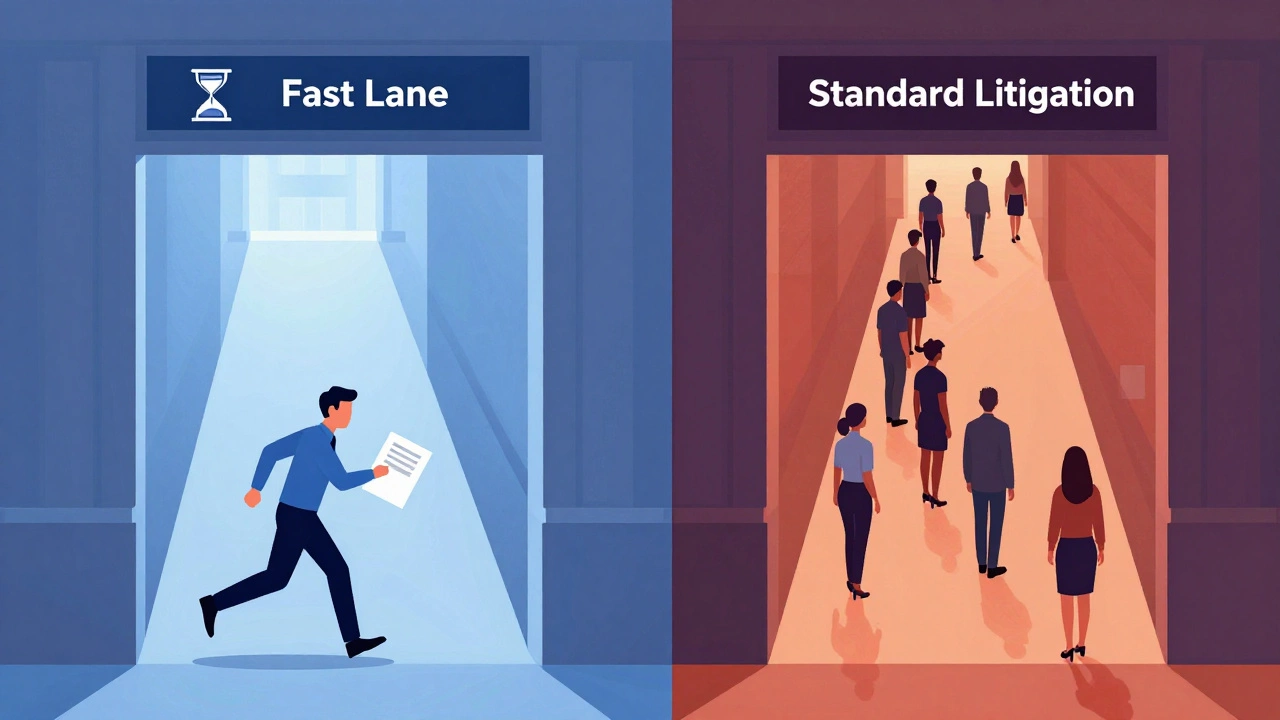
The Fast Lane: What Are Special Proceedings?
Special Proceedings, abbreviated as SP, are distinct legal processes designed to address issues requiring immediate judicial intervention. Unlike standard civil cases, which follow a rigid timeline of discovery, motions, and trials, special proceedings prioritize speed and efficiency. They operate under specific rules that streamline the process, allowing judges to make decisions quickly based on limited but compelling evidence.
In many jurisdictions, including New Zealand and various US states, these proceedings are governed by separate sections of the civil procedure code. For example, in family law, an SP might be filed when there is an imminent risk of harm to a child or spouse. The court recognizes that waiting weeks for a hearing could result in irreversible damage. Therefore, the burden of proof and the standards for filing are adjusted to reflect the urgency.
These proceedings are not a loophole to bypass due process. Instead, they are a necessary mechanism to protect rights and safety when time is of the essence. The judge still has full authority to grant or deny requests, but the focus shifts from exhaustive argumentation to immediate relief.
Common Types of Special Proceedings
Not every urgent matter qualifies as an SP. Courts generally categorize these into specific types to ensure consistency. Here are the most common scenarios where you’ll see an SP designation:
- Emergency Custody Orders: When one parent believes the other poses an immediate danger to a child, they can file an SP to request temporary sole custody pending a full hearing.
- Restraining Orders (Protection Orders): Victims of domestic violence or harassment use SPs to obtain immediate protection from abusers. These are often granted ex parte, meaning without the other party present, if the threat is severe.
- Urgent Injunctions: In business disputes, a company might file an SP to stop a competitor from leaking trade secrets or selling key assets before a trial concludes.
- Habeas Corpus Petitions: While technically a writ, this is often processed as a special proceeding to challenge unlawful detention or custody arrangements.
- Adoption Emergencies: Rarely, if a child’s placement is at risk, adoption proceedings may be accelerated via SP mechanisms.
Each type has its own set of requirements. For instance, an emergency custody order requires showing "immediate danger," while a restraining order requires showing "probable cause" for abuse. Misidentifying your situation can lead to dismissal.
How Special Proceedings Differ from Standard Cases
To understand why SPs exist, you need to see how they contrast with regular civil litigation. Standard cases are built on thoroughness. Both sides exchange documents, depose witnesses, and file numerous motions. This can take six months to two years. Special proceedings strip away much of this bureaucracy.
| Feature | Special Proceedings (SP) | Standard Civil Case |
|---|---|---|
| Timeline | Hours to days for initial hearing | Months to years |
| Evidence Scope | Limited to urgent facts; affidavits and sworn statements | Comprehensive discovery; depositions, expert reports |
| Notice Requirement | Often ex parte (no prior notice) if delay causes harm | Strict notice periods required for all filings |
| Judge’s Discretion | High discretion to grant temporary relief | Bounded by procedural rules and precedent |
| Finality | Usually temporary; leads to further hearings | Aims for final judgment resolving all issues |
The key difference lies in the balance between fairness and speed. In an SP, the court assumes that delaying justice creates injustice. However, because less evidence is reviewed, the orders issued are typically interim. They hold the status quo until a full trial can occur.
Filing an SP: Steps You Must Follow
You can’t just walk into a courthouse and demand a special proceeding. There are strict protocols to follow. Failing to adhere to them will result in your application being rejected outright.
- Determine Eligibility: Confirm that your issue meets the legal threshold for urgency. Is there immediate harm? Will irreparable damage occur if you wait?
- Prepare an Affidavit: Unlike standard complaints, SPs rely heavily on sworn affidavits. You must detail exactly what happened, when, and why it’s urgent. Include dates, times, and specific incidents.
- File the Motion: Submit the motion to the clerk of the court. Ensure you mark it clearly as "URGENT" or "EX PARTE" if applicable. Pay any associated filing fees.
- Request a Hearing Date: Ask for the earliest possible slot. Judges reserve specific times for emergency matters. Be prepared to appear within 24-72 hours.
- Serve Notice (If Required): Even in ex parte cases, you may need to serve the other party immediately after the order is granted. Failure to do so can void the order.
Note that rules vary by jurisdiction. In some places, you must attempt mediation first unless violence is involved. Always check local court rules before filing.
Risks and Limitations of Special Proceedings
While SPs offer speed, they come with significant risks. Because the process is streamlined, there’s less opportunity to build a robust case. Judges make snap decisions based on limited information. If your affidavit lacks concrete details, the judge may deny your request entirely.
Another major risk is the "ex parte" nature of many SPs. Since the other side doesn’t get to respond initially, the judge relies solely on your word. If you exaggerate or omit facts, you lose credibility instantly. Worse, if the other party later proves you misled the court, you could face sanctions or contempt charges.
Also, remember that SP orders are rarely final. An emergency custody order doesn’t mean you win custody permanently. It just buys you time. You still have to go through the full trial process to secure long-term rights. Many people mistakenly think winning an SP ends the case, leading to complacency during the subsequent standard proceedings.
When Should You Avoid Filing an SP?
Not every stressful situation warrants a special proceeding. Courts view frivolous SP filings as abuses of process. Consider avoiding an SP if:
- The Issue Can Wait: If the problem won’t cause immediate harm in the next few days, stick to standard channels.
- You Lack Evidence: Without solid proof (photos, medical records, police reports), your affidavit will look weak.
- It’s a Strategic Move: Using an SP just to harass the other party or gain leverage is frowned upon and can backfire legally.
- Mediation Is Mandatory: Some jurisdictions require attempted resolution before any court action, except in cases of violence.
Misusing the SP system can label you as a "bad faith" litigant, making judges less sympathetic to your future requests. Use it only when truly necessary.
Navigating the Aftermath of an SP Order
Once an SP order is granted, the clock starts ticking on follow-up actions. Most emergency orders include a return date-a specific day when both parties must appear for a fuller hearing. Missing this date can result in the order being dissolved.
During this interim period, maintain strict compliance with the order. If it says no contact, do not text, email, or approach the other person. Violations can lead to arrest or loss of credibility. Document everything that happens during this time, as it will be crucial evidence in the subsequent standard proceedings.
Consult with a lawyer immediately after the SP hearing. They can help you prepare for the next phase, ensuring that the momentum from the emergency order translates into a favorable long-term outcome.
Does SP stand for something else in criminal court?
In criminal contexts, SP rarely stands for Special Proceedings. It might refer to "State Party" or "Supervising Prosecutor" depending on the jurisdiction, but these are less common. In civil and family court, however, Special Proceedings is the dominant meaning. Always check the context of the document.
Can I file an SP without a lawyer?
Yes, you can file pro se (without a lawyer). However, SPs require precise legal drafting and strict adherence to procedural rules. Mistakes can lead to denial of your request. Many courts offer self-help resources or legal aid clinics to assist with emergency filings.
How long does an SP order last?
Typically, SP orders are temporary, lasting anywhere from a few days to several weeks until a full hearing can be held. Some orders, like restraining orders, may last longer (e.g., one year) but still require renewal or confirmation through standard proceedings.
What happens if the other party objects to my SP?
If served in advance, the other party can file a response or opposition. The judge will review both sides’ arguments before deciding. In ex parte cases, the objecting party can request a hearing to dissolve the order, usually within a few days.
Is an SP decision final?
No, SP decisions are almost never final. They are interim measures designed to preserve the status quo. A full trial or hearing is required to resolve the underlying dispute permanently.