
FBI Cyber Incident Triage Tool
Not every hack triggers a federal investigation. Use this tool to assess the severity of your incident based on impact, scope, and legal thresholds described in the article.
Incident Details
Recommended Action
Enter incident details and click "Analyze" to see if you need FBI involvement.
Key Considerations:
You wake up to a frantic email from your IT director. The servers are locked. A red skull-and-crossbones icon stares back at you from every screen. It’s ransomware. You’ve heard horror stories about companies losing millions overnight, but now it’s happening to you. In the chaos of paying (or not paying) the ransom and trying to restore operations, one question might cross your mind: Who actually comes to help when things get this bad? Is it the local police? A private security firm? Or is it those guys in suits with badges-the FBI cyber agents?
If you’re facing a serious digital breach, understanding what these federal investigators do-and don’t do-is crucial. They aren’t just movie characters hacking into mainframes while eating bagels. Their work is methodical, legalistic, and deeply technical. This guide breaks down the real job of an FBI cyber agent, how they operate within the US legal framework, and why their involvement changes the game for businesses dealing with cyber crime.
The Core Mission: Beyond the Badge
At its heart, the Federal Bureau of Investigation is a domestic intelligence and security service, but its Cyber Division has a very specific mandate. Unlike local police who handle petty theft or fraud, FBI cyber agents focus on threats that cross state lines or involve national security interests. Think of them as the heavy artillery in the fight against digital crime.
When we talk about cyber crime investigations, we’re looking at a broad spectrum. This includes everything from sophisticated nation-state espionage to organized crime rings running massive phishing campaigns. The agents assigned to these cases aren’t generalists; they are specialists trained in computer science, network architecture, and federal criminal procedure.
But here’s the catch: The FBI doesn’t investigate every hacked laptop. If your personal Facebook account gets hijacked, you won’t see a black SUV pull up to your house. The agency prioritizes cases based on impact, complexity, and resource allocation. They look for patterns-large scale financial losses, critical infrastructure threats, or crimes involving multiple jurisdictions. Understanding this triage process helps set realistic expectations if you’re hoping for federal intervention.
Digital Forensics: The Science Behind the Suits
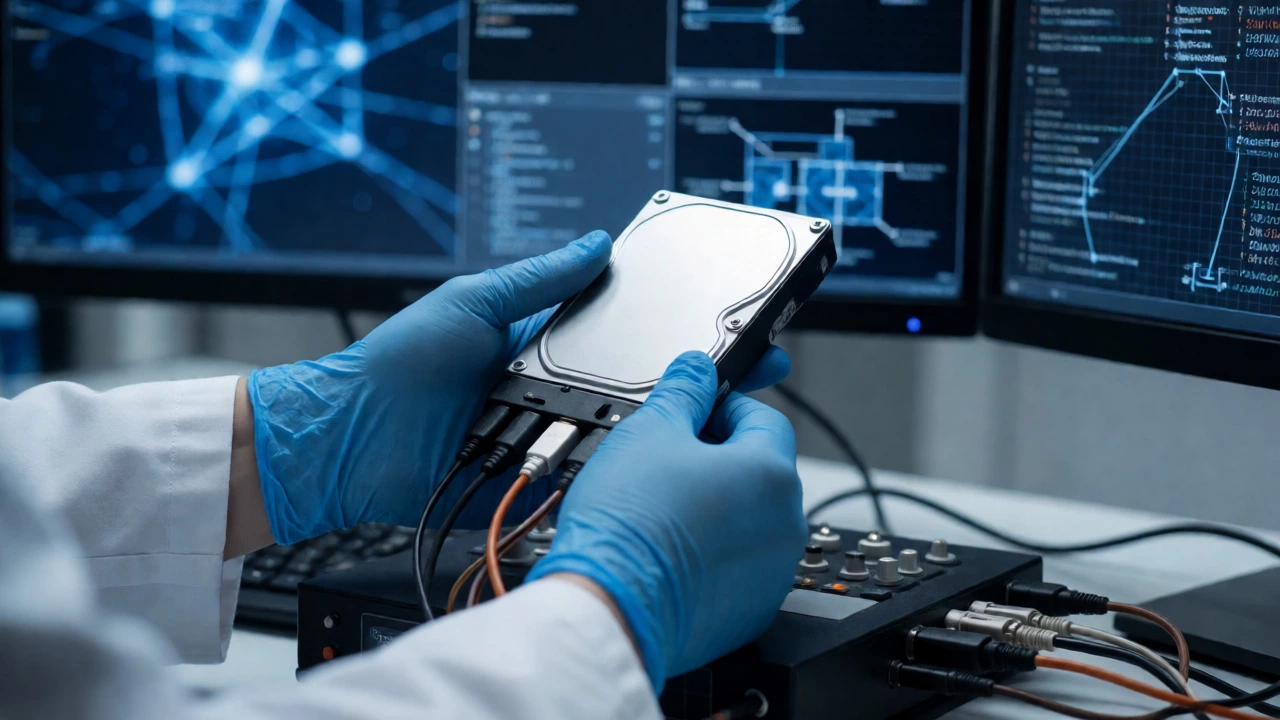
A huge part of an FBI cyber agent’s day-to-day isn’t kicking down doors; it’s staring at screens. Digital forensics is the backbone of modern cyber investigations. Agents work alongside forensic analysts to preserve, identify, extract, and interpret digital evidence. This isn’t like CSI where data magically appears on a holographic display. It’s painstaking work.
Imagine a server farm compromised by attackers who wiped logs to cover their tracks. An FBI team uses specialized tools to recover deleted files, analyze memory dumps, and trace IP addresses through layers of anonymization services like Tor or I2P. They reconstruct timelines to prove exactly when the breach happened, who accessed what data, and where the stolen information went.
This evidence gathering is strictly governed by legal standards. Every byte of data collected must be admissible in court. That means chain-of-custody protocols are rigorous. If an agent makes a mistake in how they image a hard drive or document a metadata timestamp, the entire case can fall apart during a trial defense motion. For businesses, this means that if the FBI gets involved, your own internal IT logs become critical evidence. You need to know how to preserve them before you start rebooting servers in panic.
Ransomware and Financial Crimes: The Money Trail
One of the most common reasons businesses interact with the FBI today is ransomware attacks. These aren’t just random viruses; they’re often run by organized criminal groups operating across borders. The FBI’s role here is twofold: disruption and recovery.
Disruption involves working with international partners to seize domains, take down command-and-control servers, and freeze cryptocurrency wallets used to pay ransoms. Recovery assistance is more nuanced. While the FBI encourages victims not to pay ransoms (because it funds further criminal activity), they also understand that sometimes payment is necessary to save lives or critical operations. When payments are made, agents track the blockchain transactions. With the right cooperation, they have successfully recovered portions of paid ransoms, though success rates vary wildly depending on the speed of reporting and the sophistication of the laundering methods used by criminals.
Beyond ransomware, FBI cyber agents tackle wire fraud, identity theft schemes, and intellectual property theft. If a competitor steals your proprietary source code via a hack, that’s a federal matter under laws like the Computer Fraud and Abuse Act (CFAA). Agents build cases around proving intent and loss, which requires deep collaboration with corporate legal teams.
Nation-State Threats and Espionage
Not all cyber crime is motivated by quick cash. Some of the most complex cases involve state-sponsored actors. When hackers linked to foreign governments target US defense contractors, energy grids, or financial institutions, FBI cyber agents step in as counterintelligence operatives.
In these scenarios, the goal isn’t just to arrest a hacker in a basement in Eastern Europe. It’s to attribute the attack correctly. Was it China’s Ministry of State Security? Russia’s GRU? North Korea’s Lazarus Group? Attribution is difficult because attackers use false flags and proxy servers. Agents rely on linguistic analysis of malware code, timing patterns, and infrastructure reuse to make these determinations.
For companies in regulated industries like healthcare or finance, knowing whether you’re being targeted by a criminal gang or a state actor matters. A criminal wants money; a state actor wants secrets. The mitigation strategies differ significantly. Criminals might be deterred by backups; state actors might persistently probe your defenses for years. FBI briefings often provide context on current threat landscapes, helping executives prioritize security investments.
How Businesses Should Engage with FBI Cyber Agents
If you suspect a major breach, should you call the FBI immediately? The short answer is yes, but with caveats. Reporting to the FBI’s Internet Crime Complaint Center (IC3) is the first step. However, direct engagement usually happens when the case meets certain thresholds.
Here is a checklist for effective engagement:
- Preserve Evidence First: Before changing passwords or restoring systems, snapshot your environment. The FBI needs pristine data.
- Notify Legal Counsel: Bring in a cyber crime lawyer early. Communications with federal agents can have legal implications regarding privilege and liability.
- Be Transparent: Don’t hide details. If you paid a ransom, say so. Surprises later damage trust and complicate negotiations.
- Understand Jurisdiction: Ensure the incident falls under federal jurisdiction. Local incidents may still require local law enforcement coordination.
It’s also worth noting that FBI agents are bound by strict rules of engagement. They cannot compel you to share proprietary trade secrets without a warrant or subpoena, though voluntary cooperation often speeds up investigations. Balancing transparency with business confidentiality is a key skill for any executive navigating this process.
| Feature | Local Police | FBI Cyber Agents |
|---|---|---|
| Jurisdiction | City/County limits | Federal/National/International |
| Primary Focus | Petty theft, minor fraud | Large-scale breaches, espionage, interstate crime |
| Resources | Limited tech expertise | Advanced forensics, global partnerships |
| Legal Authority | State laws | Federal statutes (e.g., CFAA) |
The Human Element: Collaboration and Trust
Contrary to the stereotype of the cold, unapproachable federal agent, many businesses report positive experiences with FBI outreach. The Cyber Division runs programs specifically designed to educate the private sector. They host workshops, share indicators of compromise (IOCs), and offer briefings on emerging threats.
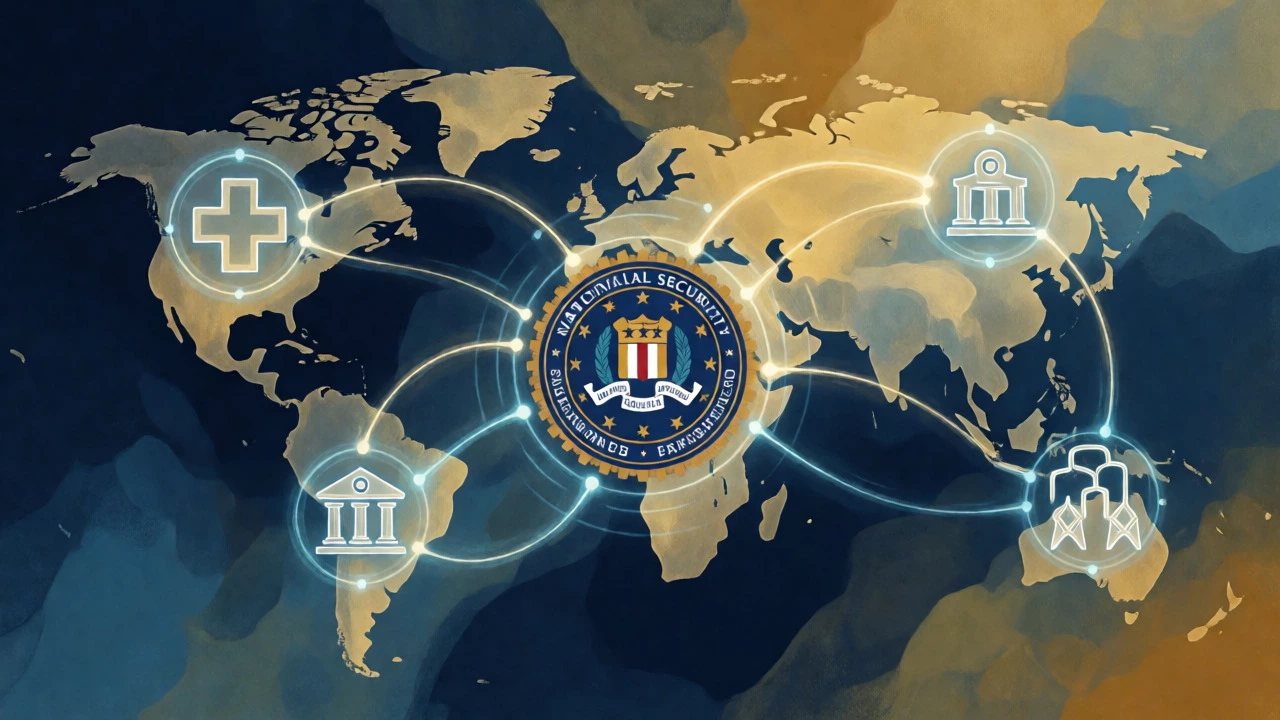
This collaborative approach stems from necessity. The government owns only about 15% of US critical infrastructure; the rest is privately owned. The FBI cannot protect banks, hospitals, and tech firms alone. They need eyes on the ground. When companies share anonymized data about attacks, the FBI can spot trends faster than any single entity could. This symbiotic relationship turns individual victim experiences into collective intelligence.
However, trust is earned. Past instances where agencies overstepped or mishandled sensitive data have made some executives wary. Clear communication channels and defined scopes of inquiry help mitigate these concerns. Establishing a point of contact within your organization who speaks both "IT" and "Legal" languages bridges the gap between technical reality and investigative requirements.
Final Thoughts on Navigating Federal Investigations
Dealing with FBI cyber agents isn’t something you plan for casually, but being prepared reduces stress. These professionals are highly trained experts focused on dismantling complex digital criminal networks. Their power lies in their reach and resources, but their effectiveness depends heavily on timely, accurate cooperation from victims.
If you find yourself in the middle of a significant cyber incident, remember that the FBI is a partner, not just an enforcer. By understanding their role in digital forensics, ransomware response, and national security, you can better align your internal response strategies. Keep your evidence safe, keep your lawyers close, and communicate clearly. That’s the best way to turn a chaotic breach into a manageable challenge.
Does the FBI always investigate cyber crimes?
No. The FBI prioritizes cases based on severity, financial impact, and national security implications. Minor personal cybercrimes are typically handled by local law enforcement or reported to the IC3 database for trend analysis rather than active investigation.
Can the FBI force my company to pay a ransom?
The FBI strongly advises against paying ransoms because it incentivizes future attacks, but they cannot legally prohibit a private company from paying unless sanctions violations are involved (e.g., paying a sanctioned entity). The decision remains with the victim organization.
What is the difference between an FBI agent and a cyber analyst?
FBI Special Agents have sworn law enforcement powers, including the ability to execute warrants and make arrests. Cyber Analysts support these efforts with technical expertise in data interpretation and threat intelligence but do not have arrest powers.
How quickly does the FBI respond to a cyber incident?
Response times vary based on case priority. Critical incidents affecting infrastructure or involving imminent threats may receive immediate attention. Less urgent cases might enter a queue for review, so prompt reporting and clear initial summaries help expedite the process.
Do I need a lawyer to talk to FBI cyber agents?
While not legally required for voluntary interviews, having a cyber crime lawyer present is highly recommended. They ensure that sharing information doesn't inadvertently waive attorney-client privilege or create admissions of liability that could affect civil lawsuits.