
Virginia Court Selection Tool
Find the Right Virginia Court
Civil lawsuit is a legal dispute between private parties that seeks monetary damages or specific performance, not criminal penalties. In Virginia, a civil lawsuit follows a set of rules codified in the Virginia Code and is heard in either the General District Court or the Circuit Court, depending on the amount in controversy and the nature of the claim.
Understanding the Basics
When you hear the term civil lawsuit, think of two sides- the plaintiff who brings the claim and the defendant who must respond. Unlike criminal cases, the state is not a party; the dispute revolves around contracts, property, personal injury, family matters, or consumer rights.
Where Civil Lawsuits Are Heard in Virginia
Virginia’s court system splits civil cases between two primary trial courts:
- General District Court - handles claims up to $25,000, plus small claims (up to $5,000) and landlord‑tenant disputes.
- Circuit Court - hears cases over $25,000, equity matters, and appeals from the General District Court.
The choice of court dictates the procedural rules, filing fees, and whether a jury trial is available.
Step‑by‑Step: Filing a Civil Lawsuit in Virginia
- Determine Jurisdiction - Verify that the dispute falls within Virginia’s jurisdiction and that the amount in controversy matches the court’s limit.
- Draft the Complaint - The complaint (often called a "petition" in Virginia) must state the factual basis, legal claims, and the relief sought. It must comply with the Virginia Rules of Civil Procedure.
- File the Complaint - Submit the original complaint and required copies to the clerk of the appropriate court. Pay the filing fee (typically $45‑$90 for General District, $150‑$300 for Circuit).
- Serve the Defendant - Use a certified process server, sheriff’s office, or certified mail to deliver the summons and complaint. Proof of service is filed with the clerk.
- Defendant’s Answer - The defendant has 21 days (30 days if served out‑of‑state) to file an answer, raising defenses or counterclaims.
- Discovery Phase - Both parties exchange information via interrogatories, requests for production, and depositions. Virginia allows limited discovery in the General District Court.
- Pre‑Trial Motions - Motions such as summary judgment can resolve the case without a trial if the facts are undisputed.
- Trial - If no settlement occurs, the case proceeds to trial. The General District Court conducts bench trials; the Circuit Court may have a jury.
- Judgment and Collection - After judgment, the winning party can enforce the award through liens, wage garnishment, or levy.
Key Parties and Their Roles
Understanding who does what can prevent costly missteps:
- Plaintiff - Initiates the lawsuit and bears the burden of proof.
- Defendant - Must answer the complaint and may file counterclaims.
- Attorney - While parties can represent themselves (pro se), an attorney familiar with Virginia civil procedure can navigate filing nuances and discovery rules.
- Clerk of the Court - Handles filings, fees, and maintains the case docket.
- Process Server - Provides legal proof that the defendant received the complaint.
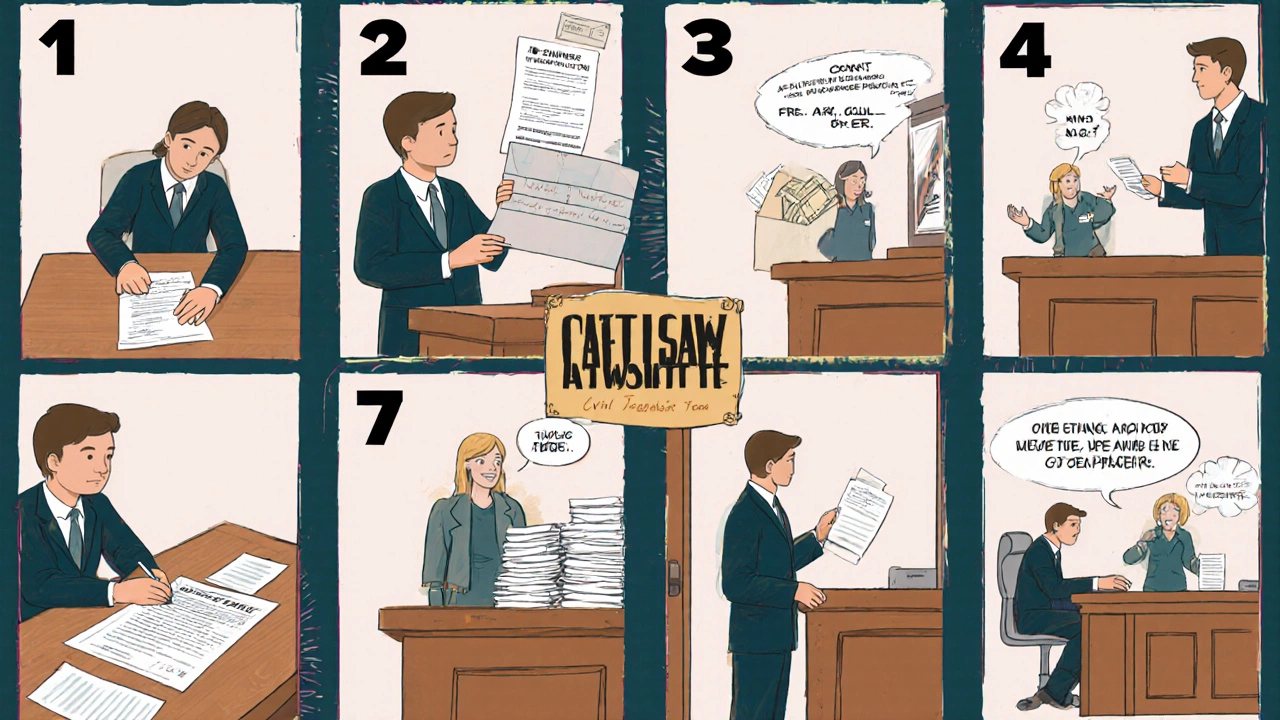
Typical Timeline for a Virginia Civil Lawsuit
Timelines vary, but a rough schedule looks like this:
| Phase | Duration |
|---|---|
| Filing & Service | 1-2 weeks |
| Answer & Initial Disclosures | 3 weeks |
| Discovery (limited) | 4-6 weeks |
| Pre‑Trial Motions | 2 weeks |
| Trial | 1 day‑2 days |
| Post‑Judgment Collection | Varies |
Circuit Court cases often stretch to several months or even years due to broader discovery and possible interlocutory appeals.
Cost Considerations
Filing fees are just the tip of the iceberg. Expect to budget for:
- Attorney fees - hourly rates in Virginia range from $150 to $350 per hour for civil matters.
- Discovery costs - subpoenas, deposition fees, and expert witness fees can add up quickly.
- Court fees - filing, service, and transcript fees.
- Potential sanctions - if a party fails to comply with discovery rules.
Many attorneys work on a contingency basis for personal injury cases, meaning they collect a percentage of any recovered award instead of charging upfront.
Common Pitfalls & Pro Tips
Even seasoned litigants stumble over a few recurring issues:
- Missed deadlines - Virginia imposes strict timing rules; a missed filing date can lead to dismissal.
- Poorly drafted complaints - Include all required elements (jurisdiction, parties, cause of action, relief). Vague claims often get dismissed on a motion to strike.
- Improper service - Failure to prove service can stall the case.
- Underestimating discovery costs - Especially in Circuit Court, discovery can be expensive. Consider limited discovery or early settlement offers.
- Ignoring settlement opportunities - Mediation is encouraged in Virginia and can save months of litigation.
Pro tip: Keep detailed records of all communications, receipts, and medical or repair bills. These documents become the backbone of your evidence.
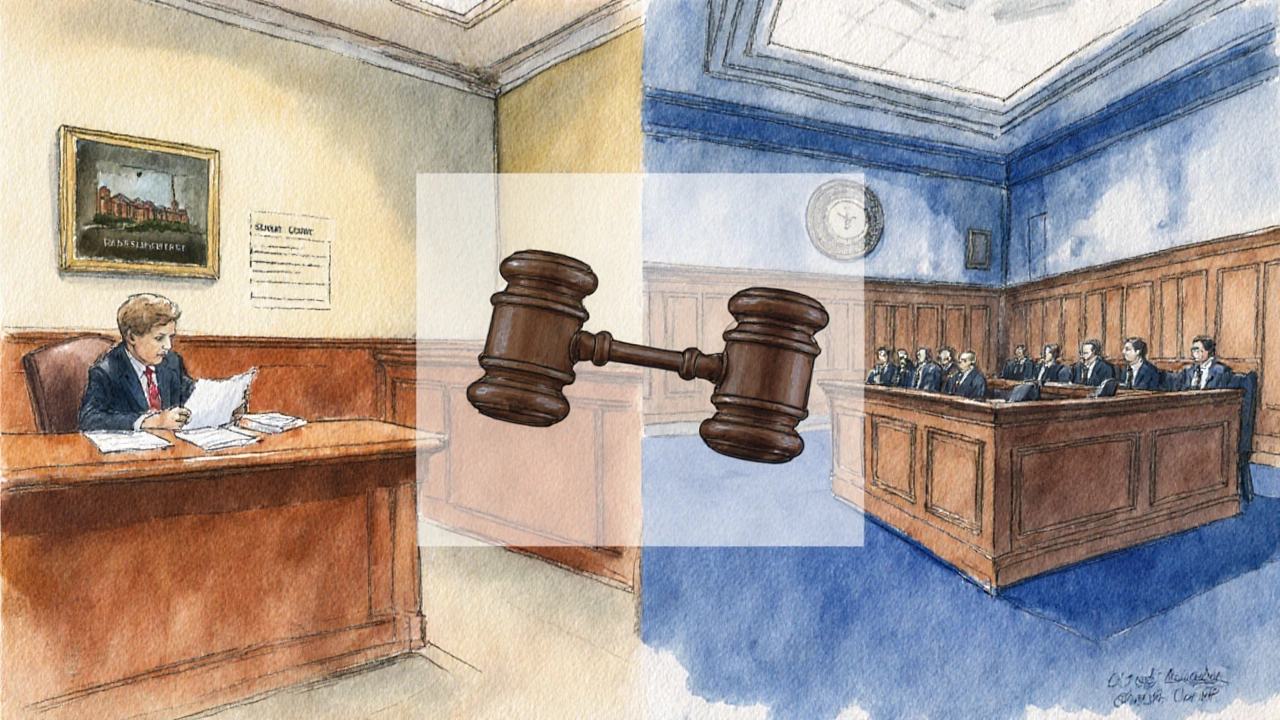
Comparison: General District Court vs. Circuit Court (Civil Cases)
| Feature | General District Court | Circuit Court |
|---|---|---|
| Maximum Monetary Claim | $25,000 (small claims up to $5,000) | Over $25,000 |
| Jury Trial | No (bench trial only) | Yes, if requested |
| Discovery Scope | Limited (no depositions) | Broad (interrogatories, depositions, subpoenas) |
| Appeal Path | Direct appeal to Circuit Court | Appeal to Court of Appeals of Virginia |
| Typical Cost | Lower filing fees, fewer attorney hours | Higher fees, more attorney time |
Frequently Asked Questions
What types of cases can be filed as a civil lawsuit in Virginia?
Common civil actions include breach of contract, personal injury, property disputes, landlord‑tenant claims, consumer fraud, and family‑law matters such as divorce property division.
Do I need a lawyer to file a civil lawsuit?
You can represent yourself (pro se), but Virginia’s procedural rules are complex. An attorney can help ensure proper filing, avoid missed deadlines, and improve your chance of success.
How long does a civil lawsuit typically take?
A simple General District Court case may settle in a few months, while a Circuit Court case involving extensive discovery can take one to three years.
What are the filing fees for a civil lawsuit in Virginia?
Filing fees range from $45‑$90 in the General District Court to $150‑$300 in the Circuit Court, plus additional costs for service and copies.
Can I settle a civil lawsuit outside of court?
Yes. Virginia encourages mediation and settlement conferences. Most cases settle before trial, saving time and money.
Next Steps If You’re Ready to Proceed
1. Assess the claim amount to pick the right court.
2. Gather evidence - contracts, photos, medical records, receipts.
3. Consult a Virginia‑licensed attorney for a case‑specific strategy.
4. File the complaint within the statutory deadline (usually two years for personal injury, six years for contract breaches).
5. Stay organized - track all deadlines, communications, and expenses.
Understanding the mechanics of a civil lawsuit in Virginia empowers you to protect your rights and make informed decisions. Whether you’re seeking compensation for an injury or trying to resolve a business dispute, following the proper steps reduces surprises and improves your odds of a favorable outcome.