
Consumer Rights Guide & Forum Finder
Identify your rights and find where to file your complaint
Step 1: What happened?
Step 2: Total Value of Claim (₹)
Your Case Analysis
Key Takeaways for Every Buyer
- There are 6 core consumer rights recognized in India.
- The Consumer Protection Act 2019 covers both offline and online shopping.
- Consumers can file complaints through a three-tier quasi-judicial system.
- Misleading ads can now lead to heavy fines for celebrities and manufacturers.
- The Central Consumer Protection Authority (CCPA) acts as a watchdog for the public.
The 6 Fundamental Consumer Rights
Most people think "rights" just means getting a refund, but it's much broader. Under the current legal framework, you have six distinct protections designed to cover every stage of a purchase, from the moment you see an ad to the moment you throw the product away.First, there is the Right to Safety. This isn't about a scratched screen; it's about physical harm. If a pressure cooker explodes because of a manufacturing defect or an electrical appliance gives you a shock, this right is violated. It requires manufacturers to follow strict safety standards, often validated by marks like the ISI Mark or AGMARK.
Then comes the Right to be Informed. Ever bought a "health drink" only to find it's 90% sugar? This right ensures you get the facts. Sellers must provide details about quality, quantity, purity, standard, and price. This is why packaging lists ingredients and expiry dates. If a company hides a critical flaw in a product, they are infringing on your right to know.
The Right to Choose prevents monopolies. In a fair market, you should have a variety of options at competitive prices. If a shopkeeper forces you to buy a specific brand of battery just because they're the only one in stock, or pressures you into a bundled deal you didn't ask for, they are interfering with your choice.
The Right to be Heard means the company can't just ignore you. It ensures that consumer interests will receive due consideration at appropriate forums. It's the reason why companies have customer care numbers and why Consumer Courts exist. Your grievance must be listened to and addressed, not dismissed with a canned response.
The Right to Seek Redressal is where the teeth of the law are. If you've been cheated, you have the right to a fair settlement. This could be a full refund, a replacement of the product, or compensation for the mental agony and physical hardship caused by a defective product.
Finally, the Right to Consumer Awareness. This is the most basic right-the right to be educated. The Indian government promotes this through campaigns like "Jago Grahak Jago," encouraging people to check weights, dates, and certifications before paying.
| Feature | Old Act (1986) | New Act (2019) |
|---|---|---|
| E-commerce | Not explicitly covered | Includes online platforms & aggregators |
| Filing Location | Where seller's office was located | Where the consumer resides |
| Regulator | No central regulator | CCPA (Central Consumer Protection Authority) |
| Product Liability | Limited/Vague | Strict liability for manufacturers/sellers |
How the Consumer Redressal System Works
If a company refuses to fix a problem, you don't need to hire an expensive lawyer and spend years in a civil court. India uses a three-tier system specifically for consumers, which is much faster and more accessible. These are known as Consumer Disputes Redressal Commissions.The first level is the District Commission. This is where most cases start. If the value of the goods or services bought is up to ₹50 lakh, you file here. It's designed to be local and relatively simple.
If you aren't happy with the District Commission's decision, or if the claim is between ₹50 lakh and ₹2 crore, you move up to the State Commission. These handle more complex disputes and act as an appellate body for the district levels.
The final stop is the National Commission, located in New Delhi. This body handles cases exceeding ₹2 crore and hears appeals from the State Commissions. It's the highest authority for consumer disputes in the country.

Dealing with E-commerce and Digital Fraud
Shopping on Amazon or Flipkart is different from buying from a local kirana store, but the consumer rights india framework now covers both. One of the biggest wins in the 2019 Act is the inclusion of "unfair trade practices" in the digital space.For example, if a website uses "dark patterns"-like adding a fake countdown timer to pressure you into buying or sneaking an extra insurance policy into your cart-this is now an actionable offense. You can complain about these deceptive tactics to the Central Consumer Protection Authority (CCPA), which has the power to order recalls of dangerous goods or demand refunds for an entire class of consumers.
Product liability is another game-changer. In the past, if a faulty battery in a phone exploded, the seller might blame the manufacturer, and the manufacturer might blame the shipping company. Now, the law allows the consumer to hold anyone in the supply chain accountable, provided the defect originated with them.
Practical Steps to File a Complaint
Knowing your rights is one thing; using them is another. Most people give up because they think the process is too bureaucratic. In reality, the process is designed to be consumer-friendly. You can even file a complaint without a lawyer.- Gather Evidence: Keep your bills, warranty cards, and screenshots of the product description. If you had a chat or email exchange with customer support, save those. Evidence is the backbone of your case.
- Send a Formal Notice: Before rushing to court, send a written notice to the company. Tell them exactly what is wrong and what you want (e.g., a refund of ₹10,000). Give them a reasonable timeframe, like 15 days, to respond.
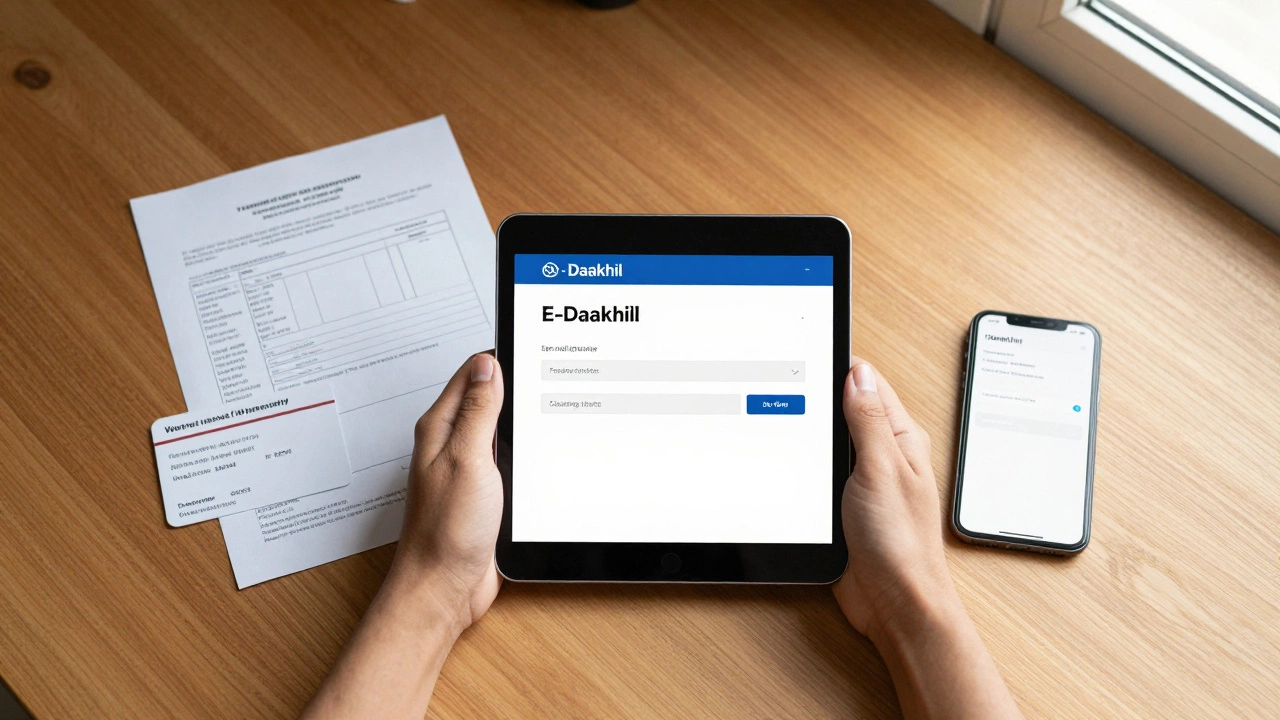
- Use the E-Daakhil Portal: You don't even have to leave your house. The E-Daakhil portal allows you to file complaints online, pay the fee, and track your case status digitally.
- Attend the Hearing: If the case proceeds, you'll be called for a hearing. Be clear, stick to the facts, and present your evidence. The commissions usually aim for a settlement or a quick judgment.
Common Pitfalls to Avoid
Not every complaint is valid. To win a case, you need to avoid a few common mistakes that can get your claim thrown out. First, don't lose your receipt. Without a valid tax invoice, it is incredibly hard to prove you actually bought the item from that specific seller.Second, be mindful of the limitation period. You generally have two years from the date the dispute arose to file a complaint. If you wait three years to complain about a fridge that stopped working, the court may reject your case because you waited too long.
Third, distinguish between a "defect" and "wear and tear." If you drop your phone and the screen cracks, that's not a manufacturing defect. If the phone starts overheating during a simple call despite no physical damage, that's a valid consumer grievance. Trying to claim a refund for user-inflicted damage is a quick way to lose credibility in court.
Can I file a consumer complaint online in India?
Yes, you can use the E-Daakhil portal, which is the official government platform for filing consumer complaints electronically. This removes the need to physically visit the commission for the initial filing process.
What is the time limit for filing a consumer case?
You must file your complaint within two years from the date the cause of action arose. If you miss this window, you can still file, but you must provide a very strong reason for the delay, which the commission must accept.
Do I need a lawyer to represent me in a consumer court?
No, one of the best features of consumer courts is that they are designed for individuals. You can represent yourself, present your own evidence, and argue your case. A lawyer is optional and only recommended for extremely complex corporate disputes.
What is the difference between the CCPA and Consumer Courts?
The Central Consumer Protection Authority (CCPA) is a regulatory body that protects the public at large. It can take "suo motu" action (on its own) against misleading ads or dangerous products. Consumer Courts (Commissions), on the other hand, handle individual disputes where a specific person is seeking a refund or compensation.
What counts as a 'misleading advertisement' under the 2019 Act?
An ad is misleading if it falsely describes a product, makes a claim that cannot be proven, or omits critical information that would affect a buyer's decision. This now includes liability for endorsers (celebrities) if they promote a product without doing due diligence.