
Consumer Rights Violation Checker
How to Enforce Your Right:
- Gather Evidence: Save invoices, screenshots, or chat logs.
- Contact Seller: Send a formal complaint via email/registered post (wait 15-30 days).
- File Online: Use the National Consumer Helpline (NCH) portal or e-Daakhil.
- Approach Forum: File with District, State, or National Commission based on claim value.
Select an issue from the left to see if your rights were violated and how to fix it.
You walk into a shop. You pick up a bottle of water. The price tag says ₹20. You hand over the money. But what if the shopkeeper forces you to buy a packet of chips along with it? Or worse, what if that water bottle is contaminated, and no one tells you?
In India, this scenario isn't just bad service-it’s a violation of your fundamental right to choose. This right is not just a nice-to-have; it is a legal pillar under the Consumer Protection Act, 2019 (CPA). It ensures that as a buyer, you have the freedom to select from a variety of goods and services at competitive prices, without being coerced or misled.
Many consumers still operate under the old assumption that "the customer is always right" is just a slogan. In reality, it is enforceable law. However, knowing *what* you can choose-and when that choice is manipulated-is where most people get stuck. Let’s break down exactly how this right works, where it fails, and how you can wield it effectively in 2026.
The Legal Backbone: What Is the Right to Choose?
Under the CPA 2019, the Right to Choose means you cannot be forced into a transaction against your will. More importantly, it implies that the market must offer you genuine options. If only one brand dominates a sector due to anti-competitive practices, your right to choose is technically compromised.
This right is intrinsically linked to two other concepts:
- Freedom from Monopolies: You should have multiple vendors to pick from.
- Transparency: You can only choose wisely if you have accurate information about quality, quantity, potency, purity, standard, and price.
If a seller hides defects or uses false advertising, they are stripping away your ability to make an informed choice. Therefore, the Right to Choose is not exercised in a vacuum-it relies heavily on the Right to Information.
When Does the Right to Choose Get Violated?
Violations rarely look like a gun to your head. They usually appear as subtle pressures, hidden terms, or systemic barriers. Here are the most common ways businesses infringe on your right to choose in modern India:
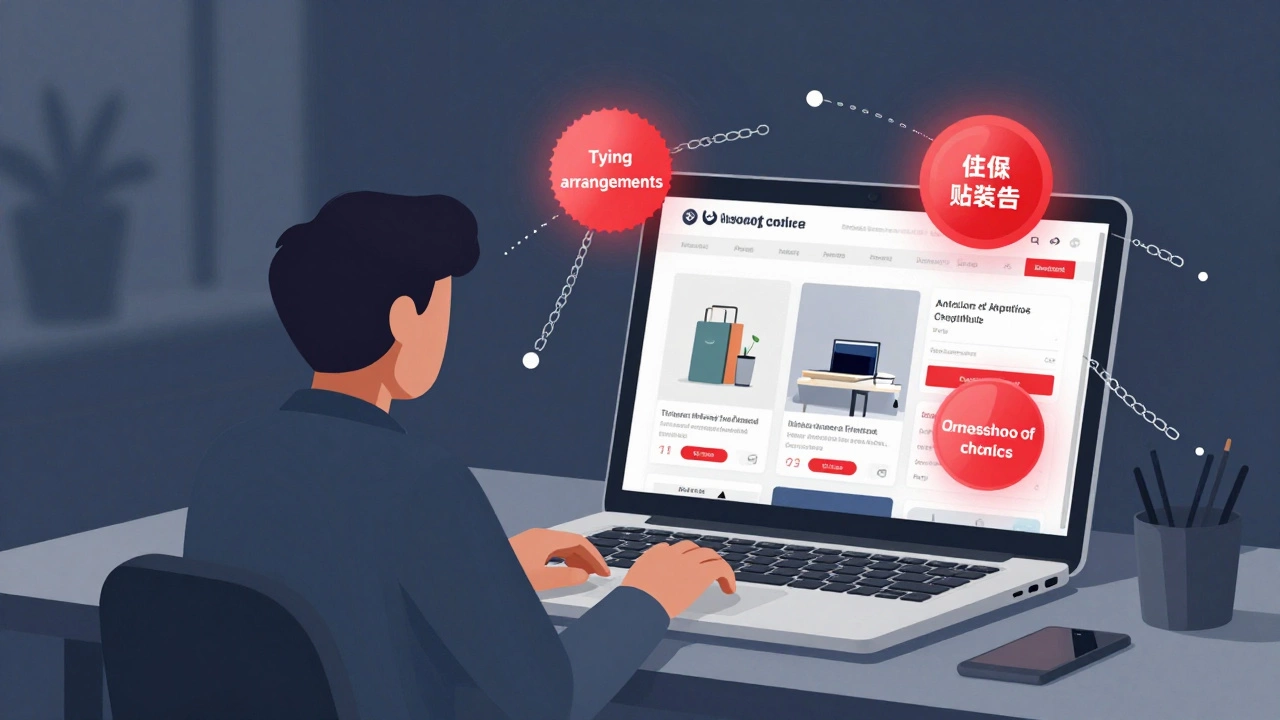
1. Tying Arrangements
This happens when a seller conditions the sale of one product on the purchase of another. For example, an insurance company refusing to sell car insurance unless you also buy their specific roadside assistance package. Or a mobile network provider forcing you to subscribe to a premium news channel to activate your data plan. This restricts your choice by bundling unwanted services.
2. False Advertising and Misleading Claims
If an ad claims a cream removes acne in three days, but it doesn’t, your choice was based on a lie. When you buy it expecting results, you didn’t truly "choose" the product-you chose a fiction. Under the CPA 2019, misleading advertisements are punishable offenses, and influencers promoting them share liability.
3. Unfair Trade Practices
Consider e-commerce platforms that show different prices to different users based on browsing history (dynamic pricing) without disclosing it. If User A sees a flight for ₹5,000 and User B sees the same flight for ₹7,000 because they searched twice, User B’s right to choose a fair price is violated. This practice, often called "price discrimination," undermines the competitive market structure.
4. Defective Products and Services
If a product is defective, it effectively removes itself from the pool of viable choices. However, if a company knowingly sells defective goods without recall notices, they are actively polluting the market, making it impossible for you to choose a safe option.
The Role of Digital Markets and E-Commerce
In 2026, the majority of Indian consumption happens online. The digital landscape introduces unique challenges to the Right to Choose. Algorithms now curate what you see. Search engines rank results based on paid placements. This creates an "illusion of choice."
For instance, when you search for "best running shoes" on a major e-commerce site, the top five results might all be from brands that pay for visibility. Smaller, potentially better-quality brands are buried on page ten. While you technically *can* scroll down, the friction reduces your effective choice.
The Competition Commission of India (CCI) has been increasingly active in monitoring these digital gatekeepers. The CCI investigates cases where large tech firms use their dominance to foreclose competition, thereby limiting consumer choice. Recent guidelines emphasize that digital platforms must ensure transparency in ranking algorithms to protect consumer autonomy.
| Barrier Type | Traditional Retail Example | Digital/E-Commerce Example |
|---|---|---|
| Tying | Selling a printer only with proprietary ink | App store requiring its own payment gateway |
| Misinformation | Fake labels on packaging | Bot-generated fake reviews |
| Price Opacity | No price tags on shelves | Dynamic pricing without disclosure |
| Access | Store located far from home | Algorithmic shadow-banning of competitors |
How to Enforce Your Right to Choose
Knowing your rights is useless if you don’t know how to exercise them. The CPA 2019 streamlined the grievance redressal mechanism, making it faster and more accessible. Here is the step-by-step process to reclaim your right to choose when it’s violated.
- Gather Evidence: Save invoices, screenshots of ads, chat logs, and product photos. If it’s a digital issue, record the screen showing price differences or hidden terms.
- Contact the Seller: Send a formal complaint via email or registered post. Give them 15-30 days to resolve the issue. Most disputes end here.
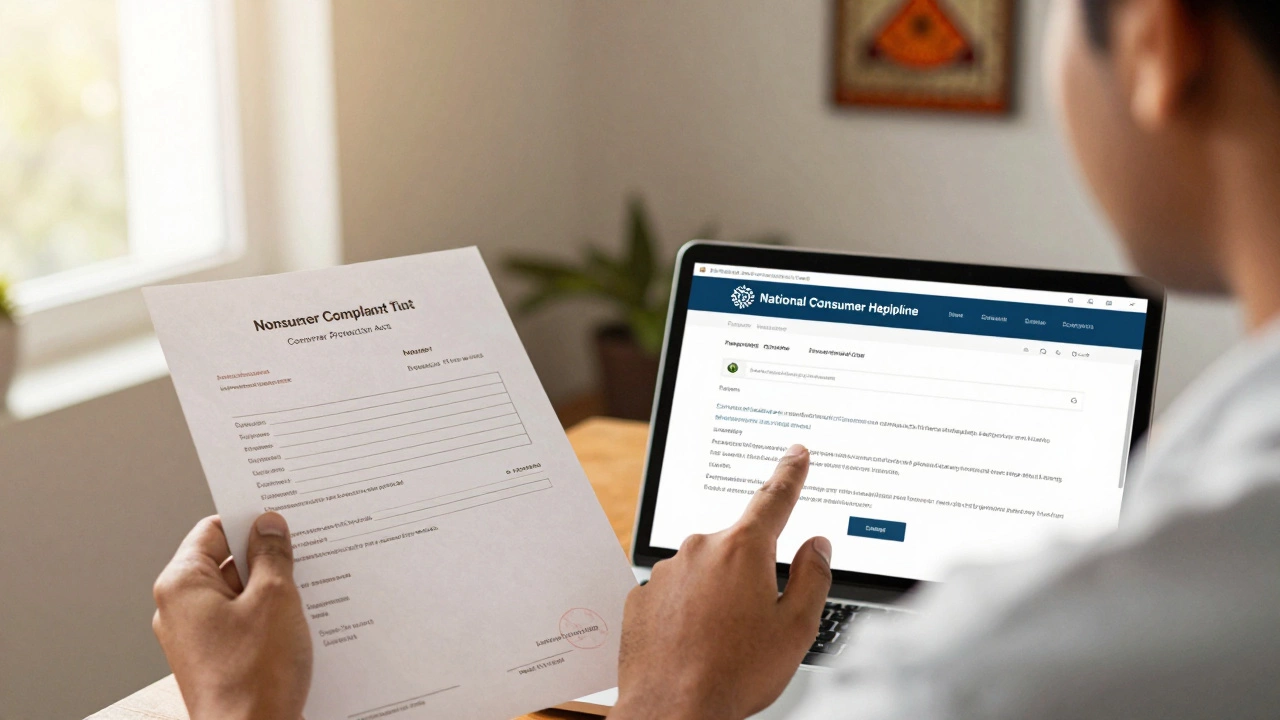
- Lodge a Complaint Online: If the seller ignores you, file a complaint on the National Consumer Helpline (NCH) portal (consumerhelpline.gov.in) or directly through the e-Daakhil portal for consumer courts.
- Approach the Consumer Forum: Depending on the value of the claim, your case goes to the District, State, or National Consumer Disputes Redressal Commission. As of recent amendments, there are no upper limits on pecuniary jurisdiction for certain types of complaints, making higher forums more accessible.
Crucially, you do not need a lawyer to file a complaint. The process is designed to be user-friendly. You can file it yourself.
Common Pitfalls Consumers Face
Even with strong laws, many Indians fail to assert their rights due to behavioral and systemic hurdles.
- The "Small Amount" Myth: Many believe that fighting for a ₹500 loss isn’t worth the effort. This mindset allows companies to exploit millions in small losses. Collective action or filing a simple online complaint costs nothing but time.
- Ignoring Terms and Conditions: Clicking "I Agree" on long-form contracts waives many rights. While some unfair clauses are void by law, proving they were hidden requires effort. Always scan for arbitration clauses that force you out of consumer court.
- Delay in Filing: There is a limitation period. Generally, you must file a complaint within two years from the date the cause of action arose. Missing this deadline bars your case entirely.
The Intersection with Other Consumer Rights
The Right to Choose does not stand alone. It interacts dynamically with other rights under the CPA 2019:
- Right to Safety: You cannot choose a product if it poses a hazard to life. Regulatory bodies like the Bureau of Indian Standards (BIS) ensure minimum safety standards so your choice isn’t between "safe" and "dangerous" but between "good" and "better."
- Right to Be Heard: Consumer forums provide a platform where your voice matters equally to the corporate giant. This procedural fairness supports your substantive right to choose.
- Right to Seek Redressal: If your choice turns out to be defective, this right ensures compensation. Without redressal, the risk of choosing wrongly becomes too high, chilling consumer participation.
Future Trends: AI and Consumer Autonomy
As we move deeper into 2026, Artificial Intelligence is reshaping markets. AI-driven personalized marketing can enhance choice by recommending relevant products, but it can also create "filter bubbles" where you never see alternatives.
Regulators are beginning to draft guidelines for "Algorithmic Accountability." Expect future updates to the CPA or new digital rights frameworks that may require companies to disclose when AI influences pricing or product visibility. For now, stay vigilant. Question why you are seeing what you are seeing. Diversify your search sources. And remember: if it feels like you’re being herded, you probably are.
What is the difference between the Right to Choose and the Right to Information?
The Right to Information gives you access to facts about a product (ingredients, price, origin). The Right to Choose allows you to use those facts to decide among multiple options. You cannot exercise the Right to Choose effectively without the Right to Information. One provides the data; the other provides the freedom to act on it.
Can I sue a company for forcing me to buy a bundled service?
Yes. This is known as a "tying arrangement" and is considered an unfair trade practice under the Consumer Protection Act, 2019. You can file a complaint with the District Consumer Disputes Redressal Commission. If proven, the commission can order the company to stop the practice and compensate you for any damages or inconvenience.
Does the Right to Choose apply to online shopping?
Absolutely. The CPA 2019 explicitly covers e-commerce transactions. Issues like dynamic pricing, fake reviews, and hidden charges violate your right to choose fairly. You have the same legal recourse for online purchases as you do for offline ones, including the right to return defective goods and seek refunds.
What is the time limit to file a consumer complaint in India?
You must file a complaint within two years from the date the cause of action arose. For continuous violations (like ongoing subscription issues), the clock starts ticking from the date the violation stops. The forum may condone delays if you provide sufficient cause, but it is best to file promptly.
Do I need a lawyer to approach a Consumer Forum?
No. The Consumer Protection Act encourages individuals to represent themselves. The procedures are simplified, and forms are available online. However, for complex cases involving large sums or technical evidence, hiring a lawyer experienced in consumer law can be beneficial.