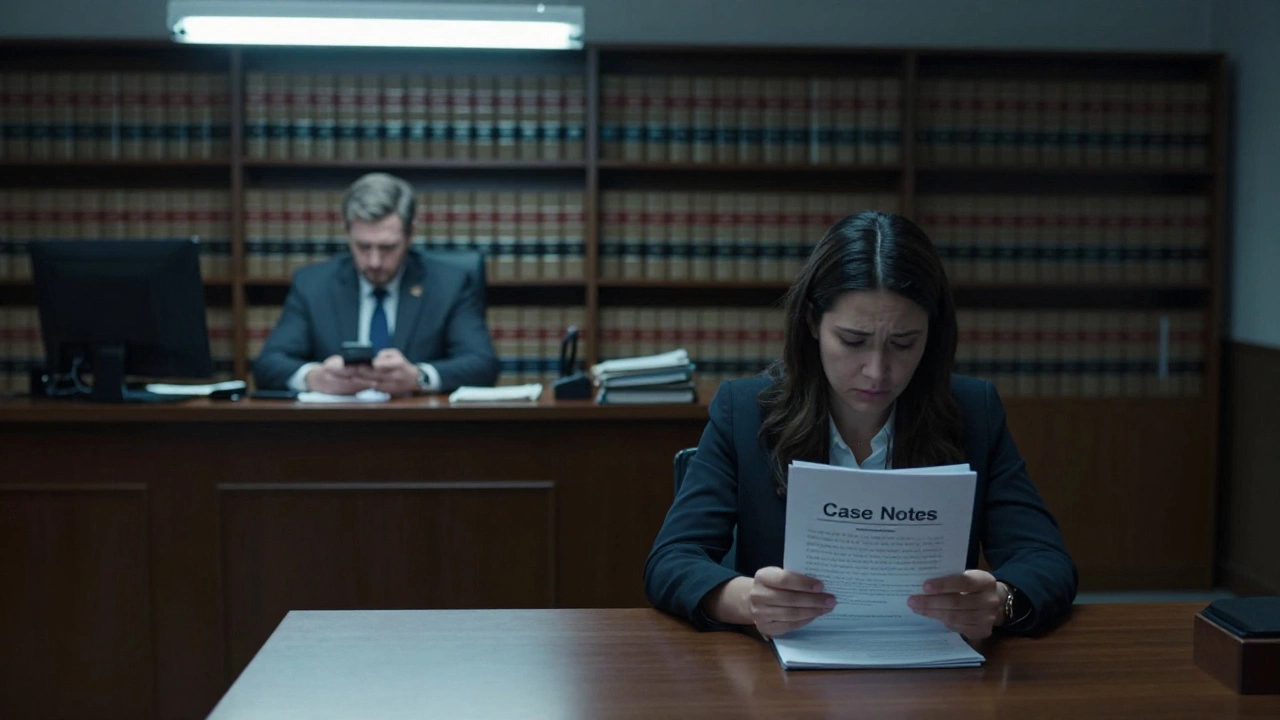
Choosing a criminal lawyer isn’t like picking a plumber or a mechanic. When your freedom is on the line, a bad lawyer doesn’t just make things harder-they can cost you your job, your home, your family, or even your freedom. You don’t need to be a legal expert to tell if someone’s in over their head. Here’s what actually happens when you hire the wrong person.
You Can’t Reach Them
If your lawyer doesn’t answer your calls or emails for days, that’s not busy. That’s neglect. Criminal cases move fast. A warrant might be issued, evidence might be destroyed, or a plea deal could expire-all while you’re left wondering what’s going on. A good lawyer returns your messages within 24 hours, even if it’s just to say, “I’m still looking into this and will get back to you by tomorrow.” A bad one treats you like an afterthought. They’ll say they’re “swamped,” but if you check their calendar, you’ll see they’ve got three open slots next week. Your case isn’t a priority because they don’t care enough to make it one.They Make Promises They Can’t Keep
No lawyer can guarantee a win. Not even close. But a bad one will tell you exactly what you want to hear: “I’ve got this case wrapped up,” “The judge loves me,” “They’ll drop all charges.” That’s not confidence-it’s manipulation. Real criminal defense attorneys don’t sugarcoat. They say things like, “The evidence is strong, but we can challenge how it was collected,” or “Your prior record hurts your chances, but we can argue for probation instead of jail.” If someone’s selling you a fairy tale, they’re selling you a lie. The truth doesn’t come with a guarantee. It comes with honesty.They Don’t Ask About Your Story
A good lawyer sits down with you, looks you in the eye, and asks, “What really happened?” They want to know who you are, what you were doing, who was there, what you said. They don’t just read the police report. They dig for the gaps, the inconsistencies, the missing context. A bad lawyer skips all of that. They hand you a form to sign, ask if you’re guilty, and then start talking about fees. If they don’t care about your version of events, why should the court? Your story matters. If your lawyer won’t listen to it, they’re not fighting for you.They’re Always Pushing a Plea Deal
Plea deals aren’t bad. Sometimes they’re the smartest move. But a bad lawyer pushes them every time-not because it’s right for you, but because it’s easy for them. A quick plea means less work, less time in court, and more money in their pocket. They won’t investigate the case. They won’t file motions to suppress evidence. They won’t talk to witnesses. They’ll say, “The prosecutor offered 6 months. If you go to trial, you could get 5 years.” That’s fear, not advice. A good lawyer will lay out the risks and rewards of going to trial versus accepting a deal. They’ll show you the evidence. They’ll tell you if the prosecution’s case is weak. They won’t pressure you. They’ll guide you.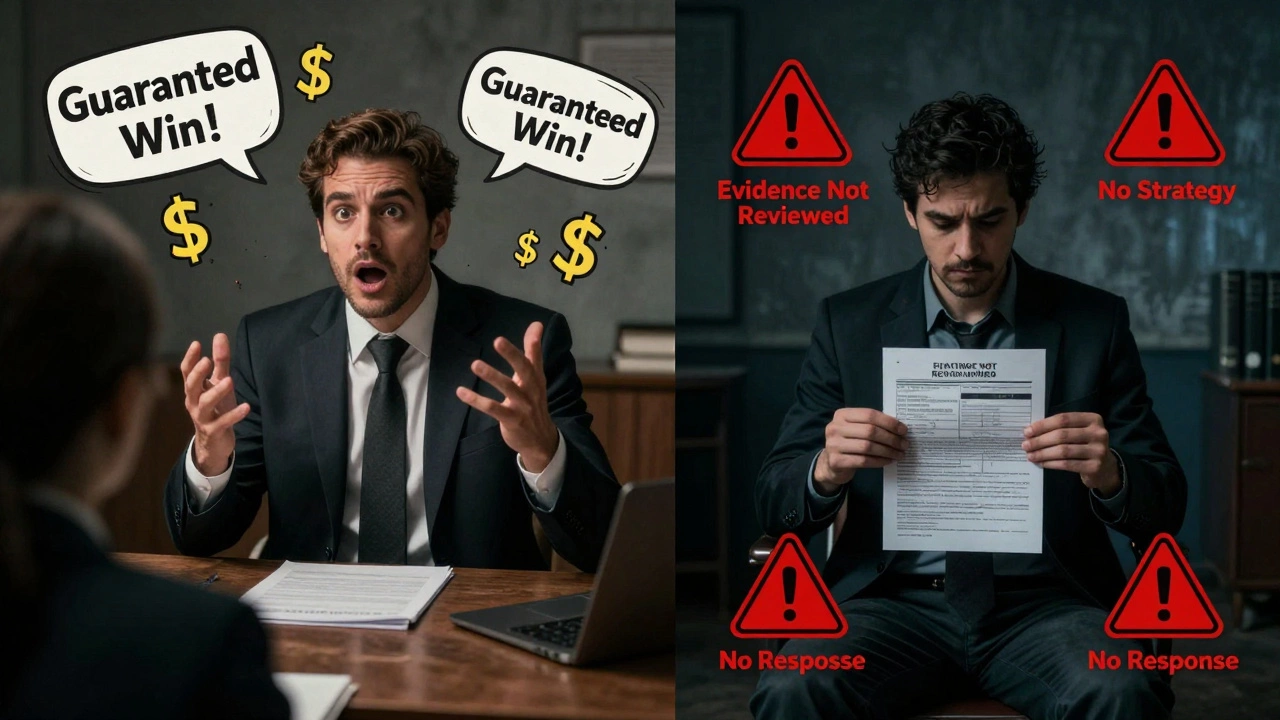
They Don’t Know the Local Court
Criminal law isn’t the same everywhere. A judge in Wellington might treat a first-time DUI differently than one in Invercargill. A prosecutor in Auckland might have a reputation for being tough on drug charges. A lawyer who doesn’t know the local system is flying blind. They’ll file the wrong motions, miss deadlines, or misjudge how a judge thinks. Ask your lawyer: “How many cases like mine have you handled in this court?” If they hesitate, or say, “I’ve done a few,” that’s not enough. You need someone who’s been in that courtroom before. Someone who knows the clerk’s name, the prosecutor’s habits, and which judge prefers written briefs over oral arguments.They Charge Too Little-or Too Much
If a lawyer charges $500 for a serious criminal case, be worried. Criminal defense takes hours: court appearances, discovery review, motion writing, witness interviews. Anyone charging that little is either inexperienced, overwhelmed, or cutting corners. On the other end, if someone’s asking for $20,000 upfront with no breakdown, that’s a red flag too. A good lawyer gives you a clear fee agreement: $3,000 for pre-trial work, $1,500 per court day, $1,000 for appeals. No hidden fees. No “extras.” You should know exactly what you’re paying for. If they won’t put it in writing, walk away.They Don’t Have a Clear Strategy
A bad lawyer will say, “We’ll see what happens.” That’s not a strategy. That’s surrender. A good lawyer has a plan. They’ll tell you: “We’re challenging the search warrant,” or “We’re going to bring in an expert to dispute the forensic report,” or “We’re negotiating for community service instead of jail.” They’ll explain the legal arguments, the precedents, the risks. They’ll show you documents, timelines, and options. If your lawyer can’t explain their approach in plain language, they don’t understand it themselves.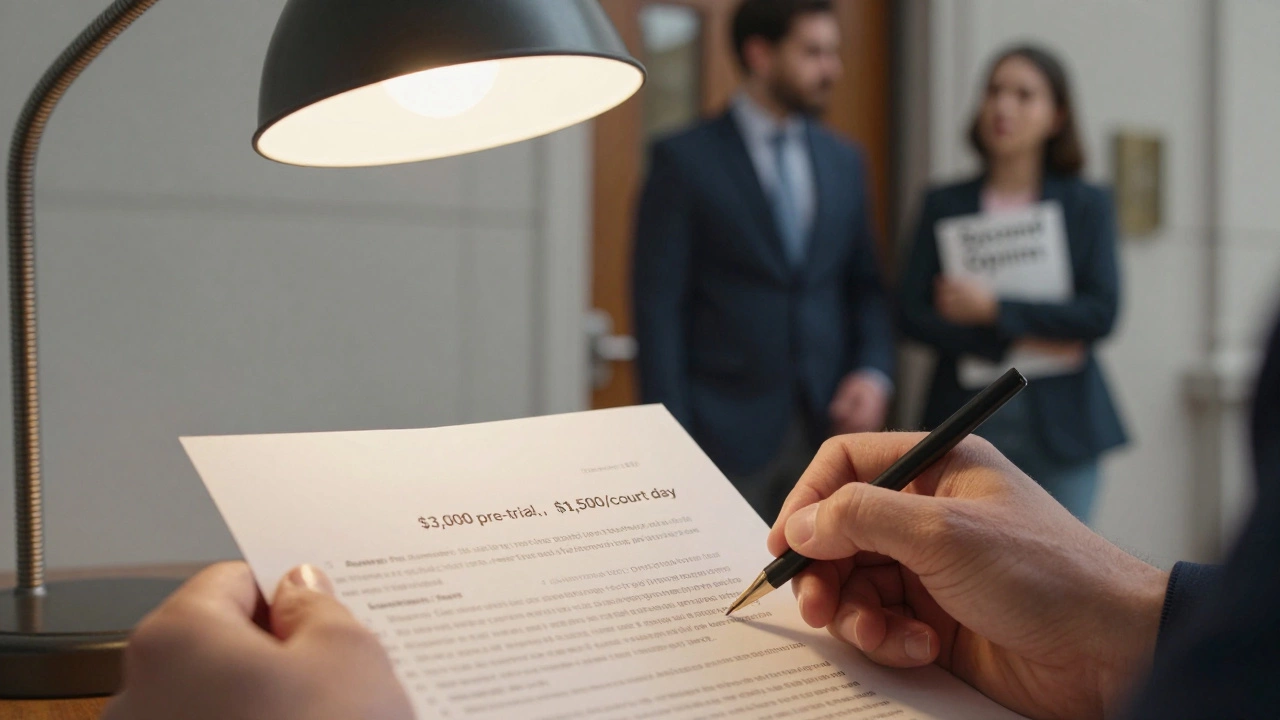
They Talk Down to You
You’re not stupid. You’re scared, yes. But you’re not a fool. A bad lawyer treats you like a burden. They sigh when you ask questions. They roll their eyes. They say things like, “You wouldn’t understand the law,” or “Just trust me.” A good lawyer respects your right to know what’s happening. They explain terms like “probable cause,” “arraignment,” or “bail conditions” in words you can use. They don’t hide behind jargon. They make you feel like part of the team-not a client to be managed.You Feel Worse After Meeting Them
This one’s subtle, but it matters. After a meeting with a good lawyer, you might still be nervous-but you feel clearer. You know what’s coming. You know what to do. You feel like you’ve got someone in your corner. After a meeting with a bad one? You feel drained. Confused. Worse than before. That’s not normal. Legal advice should empower you, not break you down. If you leave a meeting feeling smaller, that’s a sign they’re not helping you-they’re adding to your stress.What to Do Instead
If you’re looking for a criminal lawyer in New Zealand, start with the Criminal Law section of the New Zealand Law Society’s website. Look for lawyers who specialize in criminal defense-not general practitioners. Check reviews from past clients. Ask for references. Schedule free consultations with at least two lawyers. Don’t pick the cheapest. Don’t pick the loudest. Pick the one who listens, explains, and doesn’t promise miracles. Write down their answers. Compare them. Trust your gut. If something feels off, it probably is.Your freedom isn’t a commodity. Don’t let someone who doesn’t care about you decide your future.
What should I do if I think my lawyer is bad?
If you believe your lawyer is neglecting your case, failing to communicate, or giving bad advice, document everything-dates, messages, promises made. Contact the New Zealand Law Society’s complaints line. They can investigate unethical behavior, failure to respond, or conflicts of interest. You also have the right to switch lawyers at any time, even mid-case. Don’t wait until it’s too late.
Can I fire my lawyer and get a new one?
Yes. You have the right to change lawyers at any point in your case, even after charges are filed. You’ll need to formally notify your current lawyer in writing and arrange for your file to be transferred. The new lawyer will need to file a notice of appearance with the court. There may be a small fee for file transfer, but you shouldn’t be blocked from switching. If your current lawyer refuses to release your file, that’s a violation of professional rules.
How much should I expect to pay for a criminal lawyer in New Zealand?
For a straightforward case like a first-time DUI or minor theft, expect $3,000-$7,000. For more serious charges-assault, drug trafficking, fraud-you’ll likely pay $8,000-$20,000 or more, depending on complexity and court time. Most lawyers charge hourly ($250-$450/hour) or offer fixed fees for specific stages. Avoid anyone asking for full payment upfront without a clear breakdown. Legal Aid may be available if you meet income criteria.
Do public defenders have worse outcomes than private lawyers?
Not necessarily. Public defenders in New Zealand are qualified, experienced lawyers who handle high caseloads. Many are excellent advocates. The difference isn’t skill-it’s time. A private lawyer can spend more hours on your case, file more motions, and meet with you more often. A public defender might have 50 other cases. If you can afford a private lawyer and want more attention, it’s worth it. But don’t assume a public defender will lose your case.
What’s the most common mistake people make when hiring a criminal lawyer?
They choose based on price or personality, not experience. Someone who’s friendly and cheap might make you feel better in the meeting-but if they’ve never handled a case like yours before, they’re not the right person. The best lawyer isn’t the one who laughs the most or offers the lowest rate. It’s the one who’s done this before, knows the system, and tells you the truth-even when it’s hard to hear.