
Civil Case Outcome Interpreter
Select the specific status listed on your court docket or order below to see an explanation of what it means for your rights.
You’ve been waiting for your civil lawsuit to wrap up. You check the court docket or get a notification from your lawyer, and you see a word that stops you in your tracks: disposed. Or maybe it says dismissed. Panic sets in. Did you win? Did you lose? Is the case over, or is it just paused?
The confusion is completely understandable. In the world of civil procedure, these two words sound like they mean the same thing-the end of the road-but they actually describe very different destinations. One means the door is closed forever; the other might just mean the room has changed.
Getting this distinction wrong can cost you money, time, and even your right to sue. If you think a case is over when it’s only dismissed without prejudice, you might miss a deadline to refile. If you think a dismissal means you lost on the merits, you might give up on an appeal you could have won. Let’s clear up the fog around these legal terms so you know exactly where you stand.
What Does It Mean When a Case Is Disposed?
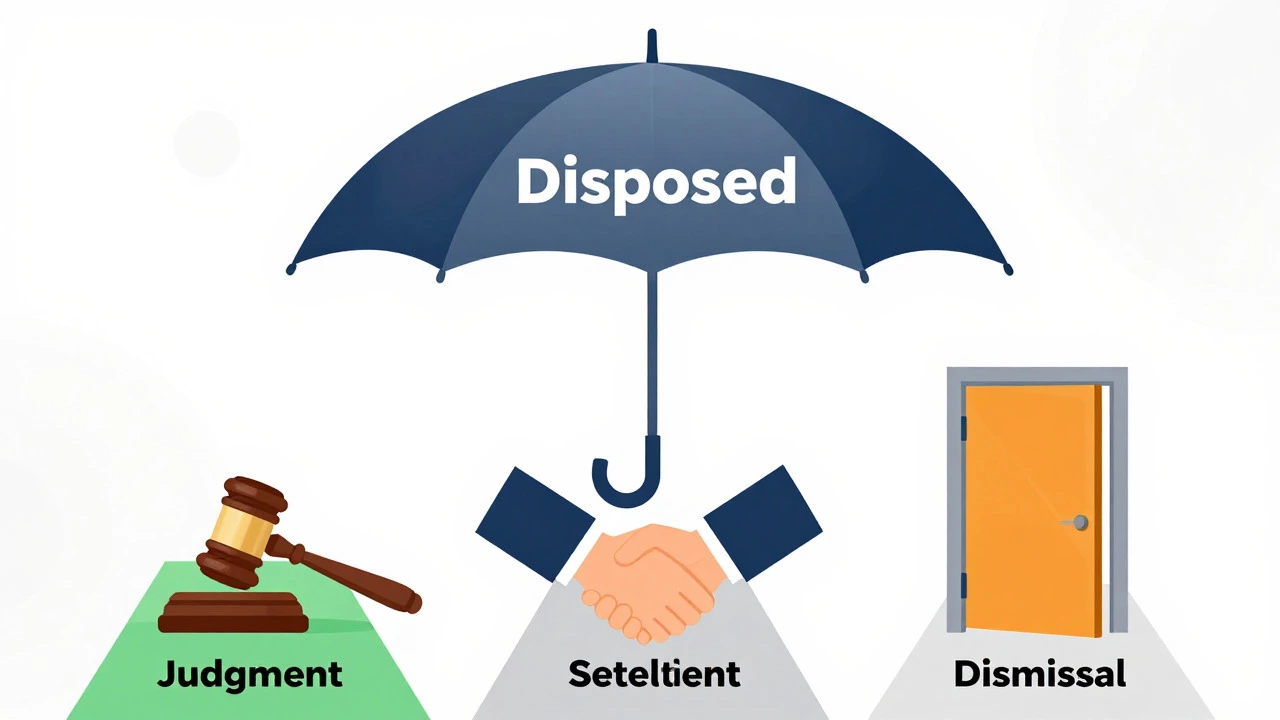
Think of "disposed" as the umbrella term for "finished." When a judge disposes of a case, they have made a final decision that resolves the matter before them. The file is closed. The clock stops ticking on litigation costs. But here is the catch: being disposed doesn’t tell you how it ended. It just tells you that it did end.
A case can be disposed in several ways:
- By Judgment: The judge (or jury) decided who was right based on the facts and law. This is a disposition on the merits.
- By Settlement: You and the other party agreed to stop fighting and split the difference. The court records this agreement and disposes of the case.
- By Dismissal: The judge threw the case out because of a procedural error, lack of evidence, or failure to follow rules. This is also a disposition.
So, every dismissed case is technically a disposed case, but not every disposed case is a dismissal. If your case is marked "disposed," you need to look at the specific order or judgment attached to that status to understand what actually happened. Was it a win? A loss? A compromise? The word "disposed" alone is too vague to celebrate or mourn.
Understanding Dismissal: With or Without Prejudice?
Now let’s zoom in on dismissal. This is where most people get tripped up. A dismissal is a specific type of disposition where the court ends the case without deciding who is actually right or wrong about the core dispute. Instead, the court says, "We are stopping this process right now."
But why? And can you start again? That depends entirely on one crucial phrase: prejudice.
Dismissed Without Prejudice
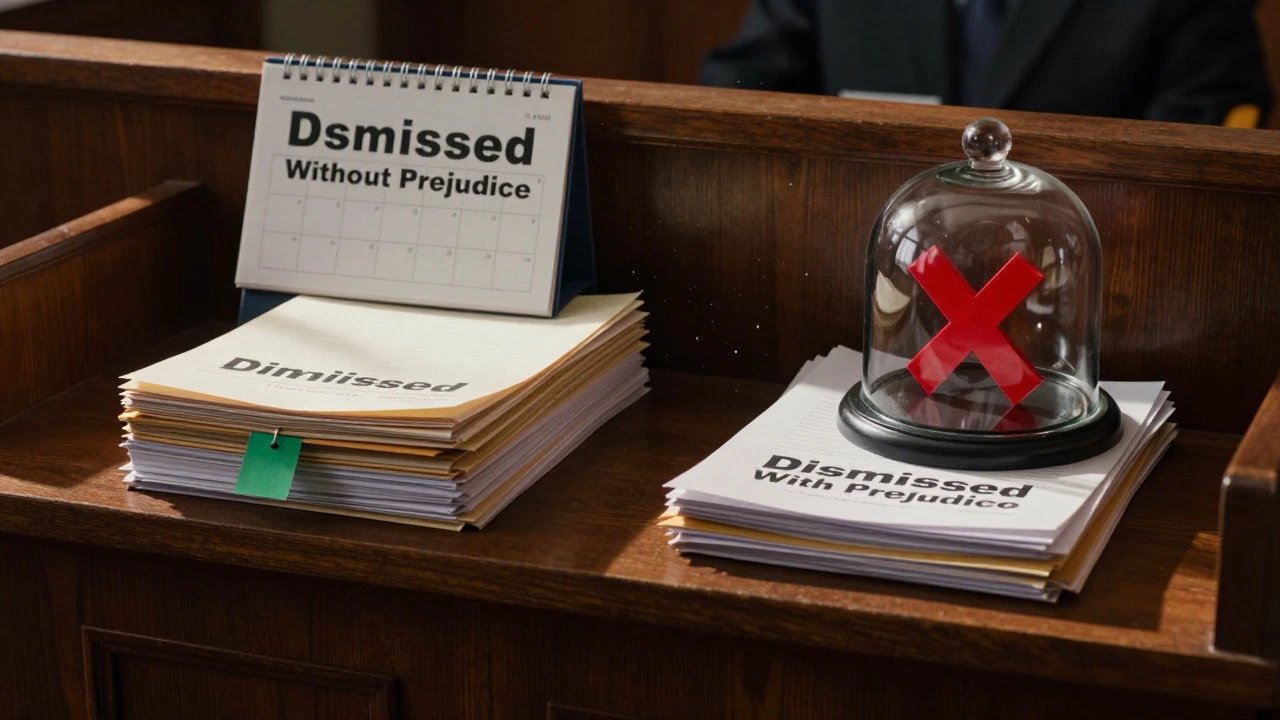
This is the "soft" landing. When a case is dismissed without prejudice, it means the dismissal is not final in its effect on your rights. You can fix the problem and file the lawsuit again. Think of it like a referee blowing the whistle because a player stepped out of bounds. The play stops, but the game continues once the player gets back in position.
Common reasons for a dismissal without prejudice include:
- Procedural Errors: You filed the wrong form, missed a minor deadline, or served the papers incorrectly. The judge gives you a chance to correct the mistake.
- Lack of Jurisdiction: You filed in the wrong court (e.g., federal instead of state). The judge dismisses it so you can move it to the right venue.
- Incomplete Pleading: Your complaint didn’t provide enough detail for the defendant to respond. The judge allows you to amend and refile.
If you see "dismissed without prejudice," don’t pack up your files yet. Check the local rules for the statute of limitations. You usually have a window-often 30 to 60 days-to refile the corrected complaint. Miss that window, and the "without prejudice" protection vanishes.
Dismissed With Prejudice
This is the hard stop. A dismissal with prejudice means the case is dead. You cannot bring the same claim against the same defendant again. Ever. The law treats this as if you went to trial and lost. This is known as res judicata or "claim preclusion."
Judges rarely dismiss with prejudice unless there is a serious reason. Common scenarios include:
- Failure to Prosecute: You ignored court orders, missed multiple deadlines, or showed no interest in moving the case forward. The judge decides you don’t deserve to keep using the court’s resources.
- Legal Deficiency: Even if all the facts in your complaint are true, the law simply doesn’t provide a remedy. For example, suing someone for breach of contract when the statute of limitations has already expired.
- Voluntary Dismissal: Sometimes, a plaintiff chooses to dismiss their own case with prejudice to settle quietly or avoid further risk. Once signed, it’s final.
If your case is dismissed with prejudice, your next step isn’t refiling-it’s appealing. You must file an appeal within a strict timeframe (usually 30 days) to argue that the judge made a legal error in throwing the case out.
Why the Distinction Matters for Your Strategy
Knowing whether your case is dismissed or disposed changes your entire legal strategy. Here is how to react to each scenario:
| Status | Is the Case Over? | Can You Refile? | Immediate Next Step |
|---|---|---|---|
| Disposed (by Judgment) | Yes | No (on same facts) | Enforce judgment or appeal if you lost |
| Disposed (by Settlement) | Yes | No | Ensure settlement terms are paid/followed |
| Dismissed Without Prejudice | Temporarily | Yes | Fix errors and refile before deadline |
| Dismissed With Prejudice | Permanently | No | File an appeal immediately |
If you are the defendant, the stakes are equally high. A dismissal without prejudice means the plaintiff might come back stronger. You should stay alert for a new filing. A dismissal with prejudice is a victory-you can breathe easy, knowing the claim is barred forever.
Common Pitfalls to Avoid
Even experienced litigants make mistakes here. Don’t fall into these traps:
- Assuming "Dismissed" Means Lost: Many plaintiffs panic when they see "dismissed" and stop communicating with their lawyer. If it’s without prejudice, silence kills your case. Act fast.
- Ignoring the Statute of Limitations: When you refile after a dismissal without prejudice, does the clock reset? In many jurisdictions, yes, under the "relation back" doctrine. But in others, no. If the original statute of limitations expires while you are fixing your paperwork, your case dies. Check your local rules.
- Confusing Voluntary and Involuntary Dismissal: If you voluntarily dismiss your case, you might lose the right to recover certain costs or fees later. Always consult your attorney before signing a voluntary dismissal.
- Mixing Up Summary Judgment and Dismissal: A summary judgment is a disposition on the merits. It means the judge looked at the evidence and said, "There is no genuine dispute; one side wins." A dismissal usually means the judge never got to the evidence because of a procedural flaw. They feel similar (you lost), but the legal grounds for appeal are different.
How to Verify Your Case Status
Court dockets can be confusing. Here is how to dig deeper than the single-word status update:
- Read the Order: The status line is just a label. The actual court order explains the reasoning. Look for the words "with prejudice" or "without prejudice." If neither is stated, assume it is without prejudice in most civil contexts, but confirm with a lawyer.
- Check Local Rules: Every jurisdiction has slightly different rules. In New Zealand, for example, the High Court Rules have specific provisions for striking out proceedings versus dismissing claims. In the US, Federal Rule of Civil Procedure 41 governs dismissals. Know which rulebook applies.
- Talk to Your Lawyer: If you represent yourself, ask the court clerk for clarification. They can’t give legal advice, but they can tell you if a judgment was entered or if the case was merely stayed or dismissed.
Understanding the difference between dismissed and disposed isn’t just about semantics. It’s about controlling your legal future. A dismissed case might be a second chance. A disposed case might be the final chapter. Read the fine print, act quickly, and don’t let a confusing label cost you your rights.
Does "disposed" mean I lost the case?
Not necessarily. "Disposed" simply means the case is closed. You could have won via a judgment, settled with the other party, or had the case dismissed. You need to read the final court order to determine the outcome.
Can I refile a case that was dismissed with prejudice?
Generally, no. A dismissal with prejudice bars you from bringing the same claim against the same defendant again. Your only option is usually to file an appeal within the statutory deadline.
What happens if I don't refile after a dismissal without prejudice?
If you fail to refile within the allowed timeframe (often tied to the statute of limitations), your claim may become time-barred. This effectively turns a temporary dismissal into a permanent loss of your right to sue.
Is a summary judgment the same as a dismissal?
No. A summary judgment is a decision on the merits based on evidence, meaning one side won. A dismissal is often procedural, ending the case without deciding who is right or wrong on the facts.
How do I know if my dismissal was with or without prejudice?
Check the text of the court's order. It will explicitly state "with prejudice" or "without prejudice." If it is silent, consult your local court rules or an attorney, as defaults vary by jurisdiction.