
Severance Pay Calculator
Calculate Your Severance Pay
Your Severance Pay Estimate
You may be entitled to:
₹0
If you’ve been fired from your job in India, the first question that pops up isn’t just about emotions-it’s about money. Severance isn’t automatic. It’s not a gift. It’s a legal right, but only under specific conditions. Many people assume being fired means walking away with a lump sum. That’s not always true. And if you don’t know the rules, you could lose out on thousands of rupees you’re owed.
What Counts as Being Fired?
In India, termination isn’t one-size-fits-all. There’s a big difference between being fired for misconduct and being let go because the company is downsizing. If you were fired for stealing, violence, or serious dishonesty, your employer doesn’t owe you anything beyond your final salary and unused leave. But if you’re laid off due to restructuring, automation, or business closure, that’s called retrenchment-and that’s where severance kicks in.
The Industrial Disputes Act, 1947 is the main law here. It applies to factories, mines, plantations, and any establishment with 100 or more workers. If your company has fewer than 100 employees, the rules are looser. But even then, many states have their own labor laws that offer some protection.
When Are You Entitled to Severance Pay?
You get severance pay under two clear conditions:
- You’ve worked for the same employer for at least one continuous year.
- Your job was terminated due to retrenchment-not for cause.
Retrenchment means the employer is reducing staff because they don’t need the role anymore. It’s not about your performance. It’s about the company’s needs changing. If you were let go because the company closed a branch, switched to machines, or cut costs, you qualify.
But here’s the catch: if you were fired for misconduct, like showing up drunk, stealing, or violating safety rules, you lose your right to severance. Courts have ruled that misconduct voids this benefit. Your employer must prove it in writing, though. A verbal warning doesn’t count.
How Much Severance Do You Get?
Under the Industrial Disputes Act, severance pay equals 15 days’ average pay for every completed year of service. That’s not monthly pay-it’s 15 days’ worth of your average daily wage.
Let’s say you made ₹30,000 a month. Your daily wage is ₹1,000 (₹30,000 ÷ 30). For each full year you worked, you get ₹15,000 (15 × ₹1,000). If you worked 5 years, that’s ₹75,000. If you worked 3 years and 8 months, you still get credit for 3 full years. The 8 months don’t count unless you’ve hit the one-year mark for that final period.
Some companies pay more. Big corporations, especially in IT or manufacturing, often offer 30 days’ pay per year as part of their policy. That’s not required by law-it’s just better than the minimum.
What If Your Company Has Less Than 100 Employees?
This is where things get messy. The Industrial Disputes Act doesn’t apply to smaller companies. But that doesn’t mean you’re out of luck.
Many states like Maharashtra, Tamil Nadu, and Karnataka have their own laws that extend retrenchment protections to establishments with 50 or even 20 employees. In Delhi, for example, the Delhi Shops and Establishments Act requires notice and compensation even for small shops.
If your company has fewer than 100 workers, check your state’s labor department website. You might still be protected. Even if not, you’re still owed your final salary, unused paid leave, and any bonuses promised in writing.
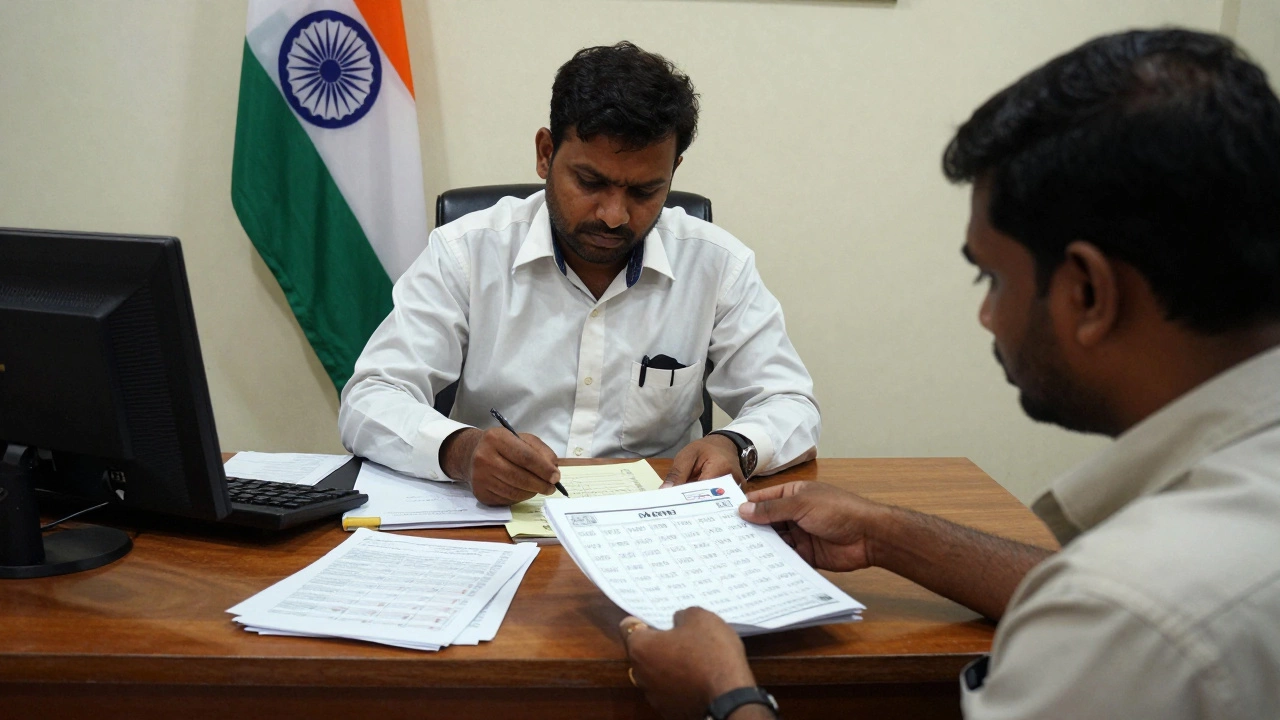
What About Contract Workers?
If you were hired on a fixed-term contract, severance is rare. Your contract ends when it ends. Unless your contract says otherwise, you don’t get extra pay. But if your employer kept renewing your contract for years-say, 5 renewals over 7 years-you might qualify as a permanent employee under the law. Courts have ruled that long-term contract workers are de facto permanent staff. If you were fired after years of renewals, you can argue for severance.
What If You’re Fired Without Notice?
Even if you’re being let go for retrenchment, your employer must give you 30 days’ notice-or pay you in lieu of notice. That’s separate from severance. So if you’re fired without notice, you get:
- 30 days’ salary as notice pay
- 15 days’ pay per year of service as severance
- Payment for unused leave
Some employers try to skip the notice period and just offer severance. That’s illegal. You’re owed both.
Can Your Employer Just Say ‘You’re Fired’ and Walk Away?
No. Even if you’re at fault, your employer must follow due process. That means:
- Issuing a written charge sheet
- Allowing you to respond
- Holding a domestic inquiry (a fair hearing)
- Issuing a written order of termination
If they skip any of this, your termination is invalid. You can file a complaint with the Labor Commissioner. Courts have overturned firings where companies didn’t follow these steps-even for serious misconduct.
What If You Signed a Settlement Agreement?
Some employers offer a lump sum to get you to sign away your rights. They might say, ‘Here’s ₹1 lakh, and you won’t sue us.’ That sounds generous. But if you’re owed ₹1.5 lakh in severance and notice pay, you’re losing money.
Before signing anything, calculate what you’re legally entitled to. Don’t trust verbal promises. Get the settlement in writing. If it’s less than your legal entitlement, you can still challenge it later-but it’s harder. Always consult a labor lawyer before signing.
What Should You Do If You’re Fired?
Don’t panic. Don’t sign anything on the spot. Here’s what to do:
- Ask for a written termination letter. It must state the reason.
- Calculate your dues: final salary, notice pay, severance, unused leave.
- Check your employment contract and company policy.
- Save all emails, payslips, and communication.
- If you’re owed money and they refuse to pay, file a complaint with the Labor Commissioner in your district.
The Labor Department handles these cases quickly. You don’t need a lawyer to file. Many states have online portals where you can submit your claim. You can also call the toll-free labor helpline in your state.
Common Mistakes People Make
- Thinking severance is guaranteed-no, only if you’re retrenched.
- Signing a settlement without checking the math-many are underpaid.
- Not keeping records-without payslips or appointment letters, proving service is hard.
- Waiting too long to act-there’s a 3-year limit to file a claim.
One real case: A woman in Pune worked 6 years at a small textile firm. She was fired without notice. The company said she was ‘not a good fit.’ She had no written contract. She saved her payslips and bank statements showing monthly deposits. She filed a complaint. The Labor Commissioner ruled she was permanent staff. She got ₹1.08 lakh in severance and notice pay. She didn’t have a lawyer. She just knew her rights.
Final Thoughts
Being fired is stressful. But you’re not powerless. India’s labor laws are designed to protect workers-not employers. Severance isn’t charity. It’s compensation for years of service. If you’ve worked hard, stayed loyal, and didn’t break any rules, you’re entitled to something.
Know your rights. Document everything. Don’t let fear silence you. Companies count on people not knowing the law. Don’t be one of them.
Do I get severance if I quit my job?
No. Severance pay is only for employees who are retrenched or laid off by the employer. If you resign voluntarily, you’re not entitled to severance under Indian law. You’ll still get your final salary and unused leave, but no extra compensation.
Can my employer fire me without any reason?
For companies with 100+ workers, no. They must prove retrenchment or misconduct. For smaller companies, they can fire you without stating a reason-but they still must pay your dues and give notice or pay in lieu. If they don’t, you can challenge it legally.
Is severance taxable in India?
Yes, but with exemptions. Under Section 10(10C) of the Income Tax Act, up to ₹5 lakh of severance pay is tax-free. Any amount above that is taxable as income. This exemption applies only if the payment is made under a retrenchment scheme approved by the government or as per the Industrial Disputes Act.
What if my company is bankrupt and can’t pay?
If your employer goes bankrupt, you’re considered a preferential creditor under the Insolvency and Bankruptcy Code. That means your salary, notice pay, and severance are paid before other debts like loans or supplier bills. You still need to file a claim with the insolvency professional handling the case.
Can I claim severance if I was working remotely from another state?
Yes. Where you work from doesn’t change your rights. What matters is where your employer is registered and where your employment contract was executed. If your company is based in India and you were employed under an Indian contract, you’re covered by Indian labor laws regardless of your location.